Akin’s Desert
(O Deserto de Akin)
Bernard Lessa / Brazil, Cuba / 2024 / 78 min

Rio International Film Festival
Best Actor
Pricing
Related Films
 Natural Phenomena(Fenómenos naturales)Marcos Díaz SosaThis wildly original tropical Cuban reinterpretation of Victor Fleming’s The Wizard of Oz is nothing short of mind-blowing. While the iconic red shoes ...
 Vicenta BCarlos LechugaCarlos Lechuga’s poignant third feature follows Vicenta Bravo, a gifted Afro-Cuban woman residing in Havana with the unique ability to see into the ...
 Calls from Moscow(Llamadas desde Moscú)Luis Alejandro YeroLuis Alejandro Yero’s striking first feature focuses on a group of migrants and their temporary dwelling in a snowy Moscow high-rise complex. The ...
 Wild Woman(La mujer salvaje)Alán GonzálezWild Woman, directed by Alán González, tells the gripping story of Yolanda, a forty-year-old woman living in a Havana slum, whose life unravels after ...
 The Companion(El Acompañante)Pavel GiroudStudy Guide Available. CUBA’S OFFICIAL ENTRY TO THE ACADEMY AWARDS® Set in 1988 Cuba as the government dispatched HIV patients to AIDS centers ...
Synopsis
Spanish and Portuguese with English subtitles
With Reynier Morales, Ana Flávia Cavalcanti, Guga Patriota
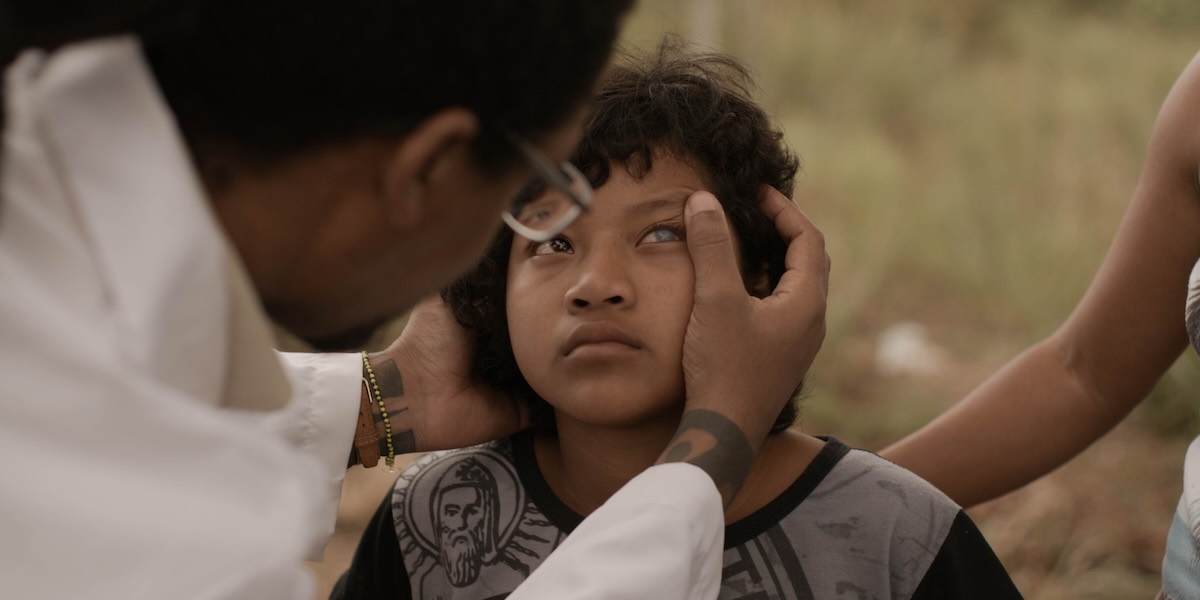
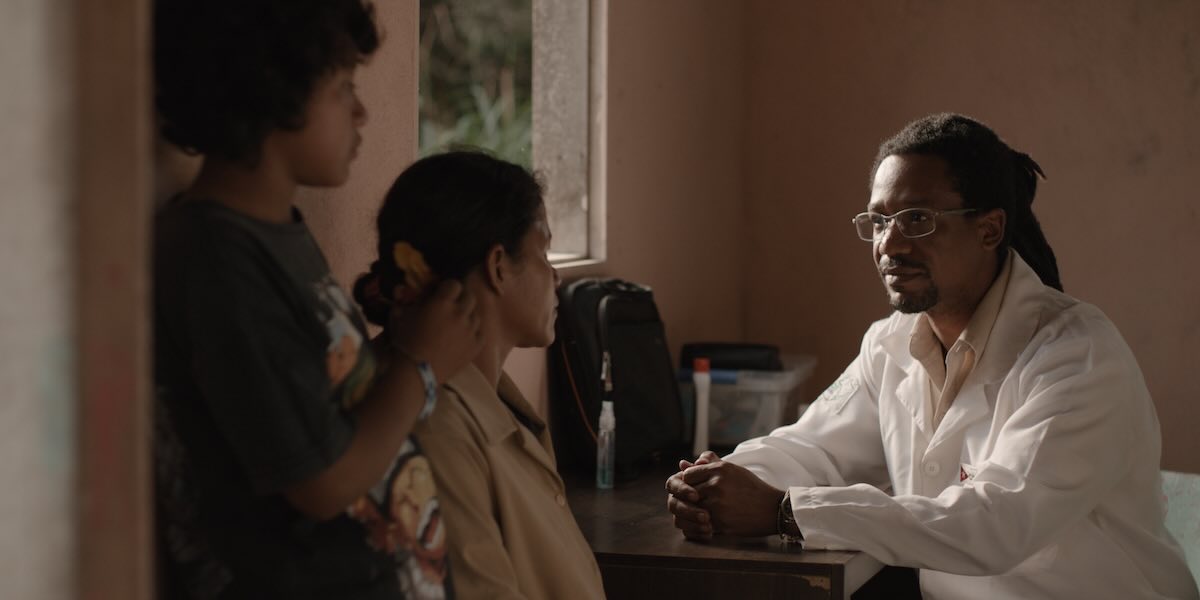
Akin, a Cuban doctor in the Mais Médicos program posted to a remote Indigenous community in Espírito Santo, discovers in Brazil a complex landscape of affection, belonging, and political contradiction. As his daily work in primary care exposes him to the solitude, precariousness, and quiet solidarity of Brazil’s deep interior, Akin gradually becomes part of the community, even as he struggles with his own sense of displacement.
As the presidential election approaches and political tensions rise, the future of the Mais Médicos program grows uncertain. With Jair Bolsonaro’s victory and the abrupt end of cooperation between Brazil and Cuba, Akin suddenly loses the framework that legally sustains his presence and his work in the country. He is forced to choose between returning to Cuba or staying in a Brazil where he can no longer formally practice medicine.
Directed by Bernard Lessa, Akin’s Desert pays homage to the Cuban doctors who provided basic healthcare in Brazil’s most remote regions, while offering an intimate reflection on migration, racism, class, and the search for home in a country marked by deep historical inequality.
Related Subjects
About the Director
Press
“Lead actor Reynier Morales gives a humane and passionate depth to Akin and is matched by the chemistry Ana Flávia Cavalcanti and Guga Patriota bring to the triangle.” – Callum McLennan, Variety
“Akin's Desert is an excellent work crafted by its director and cast, a film that will sharpen the audience’s reflections from a perspective that, for some, will be moving and, for others, an impactful confrontation with a contemporary political moment.” – Matheus Araujo, Terra Nérdica
Notes on the Film
“The research we conducted while developing the script revealed that the Cuban way of practicing medicine is much more human and less bureaucratic than what we were used to in Brazil. Bolsonaro became the spokesperson for the angry Brazilian medical class, which, despite not being willing to work in the places where the Cubans came to work, felt entitled to claim that market share… For us, opposing Bolsonaro’s arrival to Akin’s interrupted mission is a way of demonstrating what was truly at stake in that moment.
The personal journey of Akin seems to me inseparable from the political aspects related to it, and perhaps there lies the balance of the film, which explores the political landscape of a moment of Brazil and its direct impact on this man’s life. While in the other characters these aspects have a more indirect influence, in his case, there is no way of escaping politics.
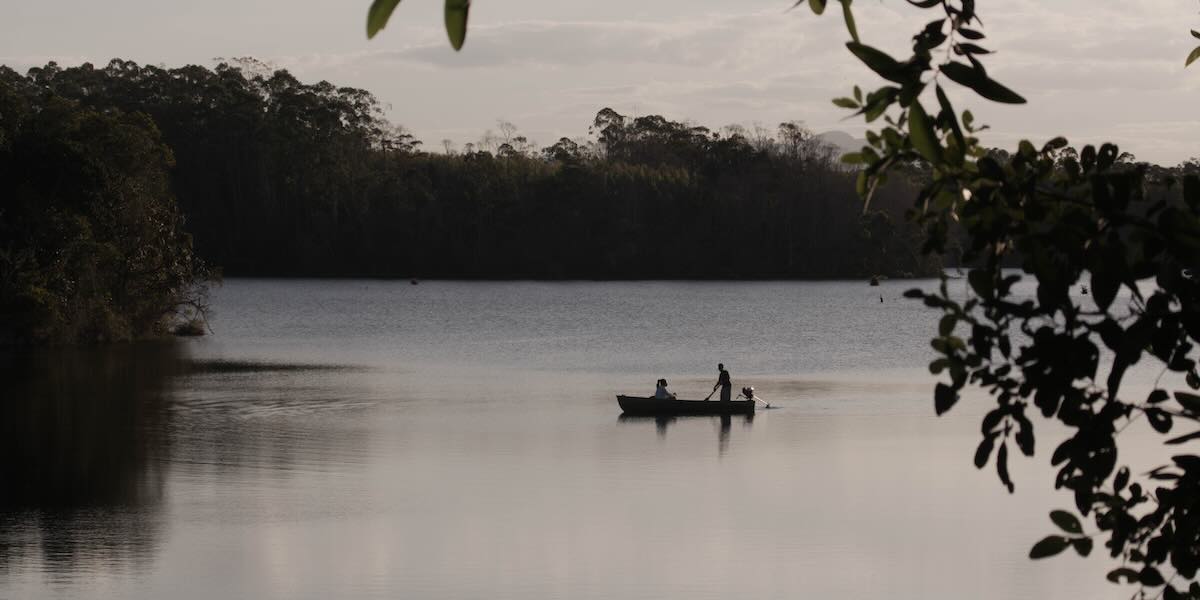
A desert is a place where no action is possible, and that is the future being presented for our main character and for us as a society. A man deprived of following his vocation is a man with no possibility of effective action in the world; he is a man in a desert. The snake and the sand are both signs of this impending desert.
The film, although set in 2018, is very contemporary, I believe, as it looks to the past but points to the future. Threats to human rights and to the existence of the entire planet are increasing as people question the democratic system and elect governments that openly flirt with authoritarianism. The 21st century is, so far, the promise of the desert. How can we reclaim our place of action in a world rapidly turning into a desert?”
– Bernard Lessa, director