Almost Paradise almost paradise Almost Paradise Almost Paradise
  • European Film Festival

  • Bari International Film & Festival

  • Hola México Film Festival

  • Hispanic Film Festival of Athens

Synopsis

Spanish, Italian, English, with English subtitles

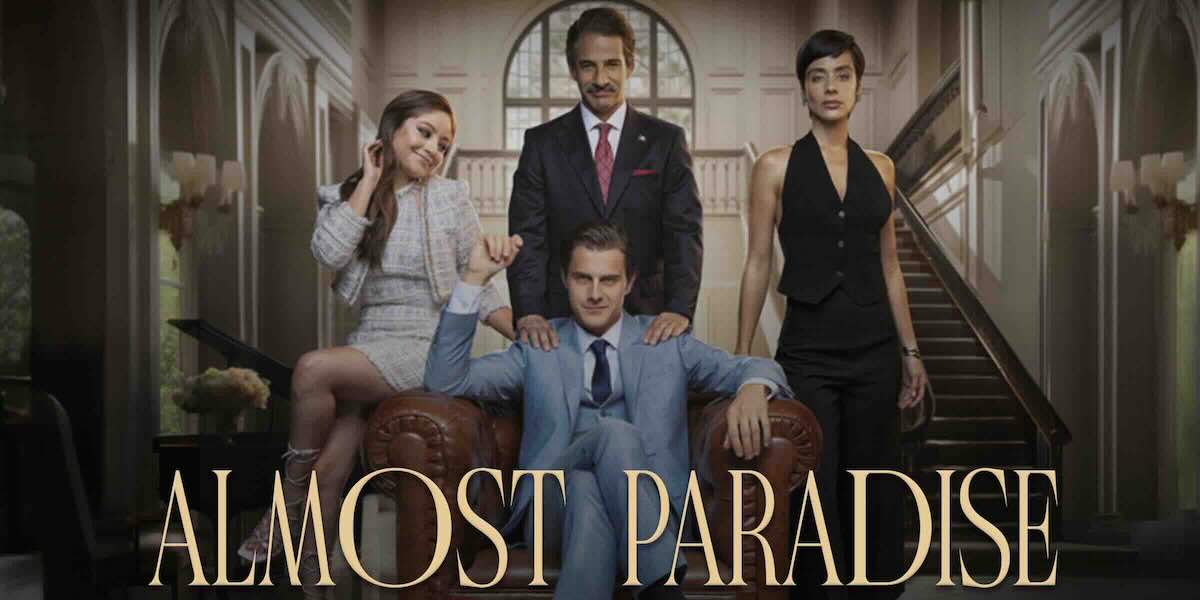
With Andrea Arcangeli, Karol Sevilla, Miguel Rodarte, Esmeralda Pimentel

Why will your students love Almost Paradise?Because it adapts Luis Spota’s celebrated 1956 novel to explore class ambition and social performance through sharp satire and drama. Because the charismatic Italian “count” who seduces Mexican high society makes for irresistible storytelling that invites discussion about identity construction, cultural hierarchies, and the performance of legitimacy while having a lot of fun. And because its stylish fusion of comedy and political critique provides rich material for examining media influence, social mobility, and society’s fascination with façades.

What happens when a charismatic Italian “count” and social media influencer crashes Mexico’s high society?

Almost Paradise stands out as one of the most incisive and entertaining Mexican comedies of recent years. Based on Luis Spota’s classic satirical novel, the film reimagines its story for the contemporary world of Instagram fame and viral scandals.

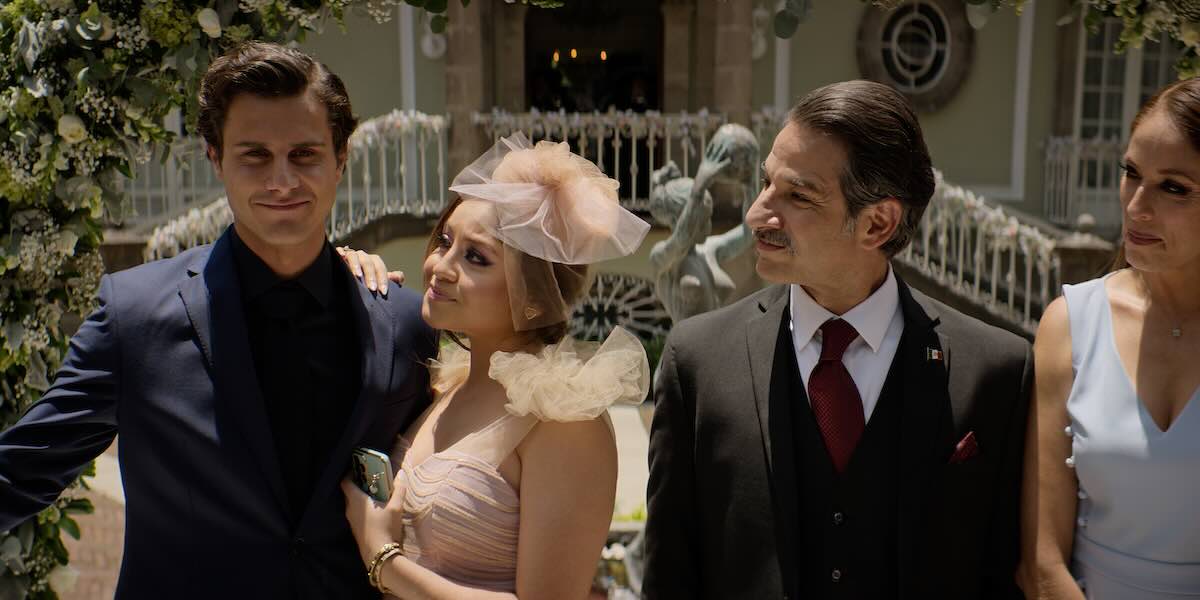
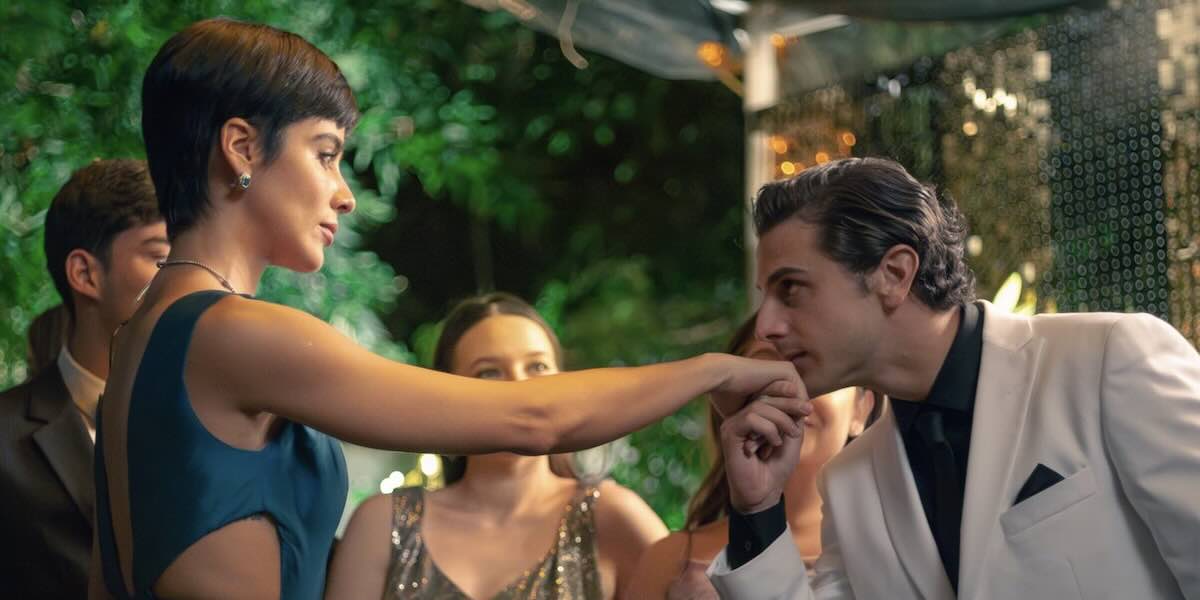
Meet Ugo Conti: aristocrat, influencer, and master of reinvention. He arrives in Mexico and effortlessly seduces the country’s elite with impeccable style and European sophistication, becoming the ultimate symbol of malinchismo—the fascination with all things foreign—while exposing entrenched elitism and corruption with delicious irony.

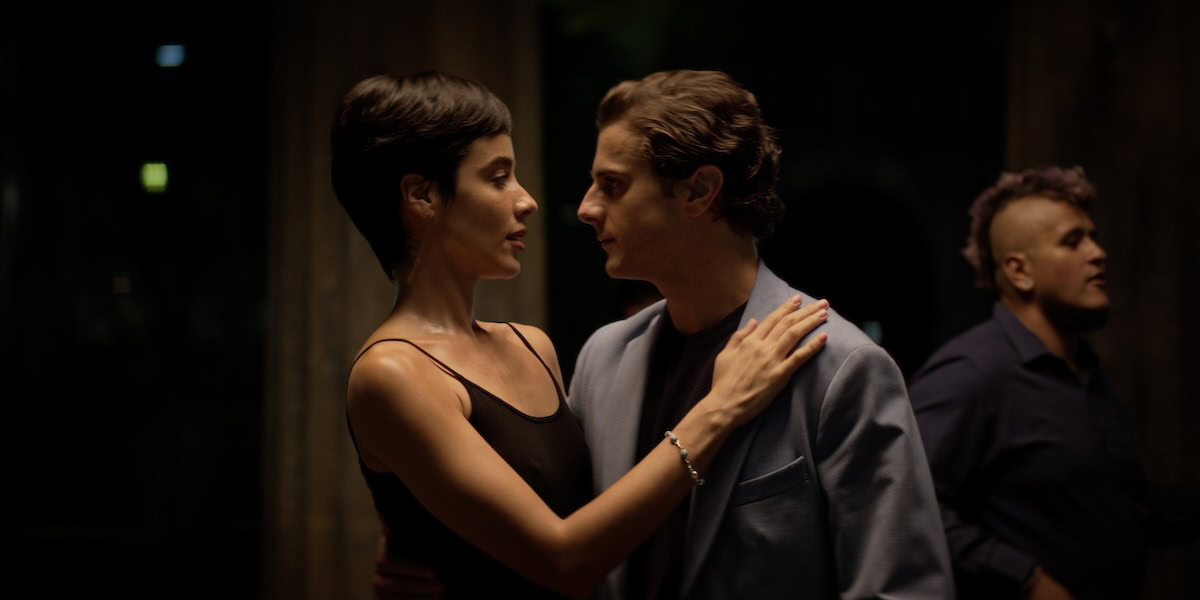
But when he reunites with Frida Becker, the love of his past, Ugo is drawn into a dangerous struggle for political power. Once his secret is revealed, the same circles that once idolized him turn against him with ruthless efficiency.

Directed by Edgar San Juan and starring Mexican singer and actress Karol Sevilla in her cinematic debut, Almost Paradise delivers sharp social commentary with wit and humor, inviting discussion on class dynamics, postcolonial identity, media influence, and political spectacle in contemporary Mexico.

About the Director
Edgar San Juan is a Mexican writer, director, and producer who runs the production company Film Tank, which creates films and content for digital platforms. His credits as writer/producer include Northless Norteado (Mexico/Spain, 2009, directed by Rigoberto Pérezcano) and Chalán (Mexico, 2012, directed by Jorge Michel Grau).
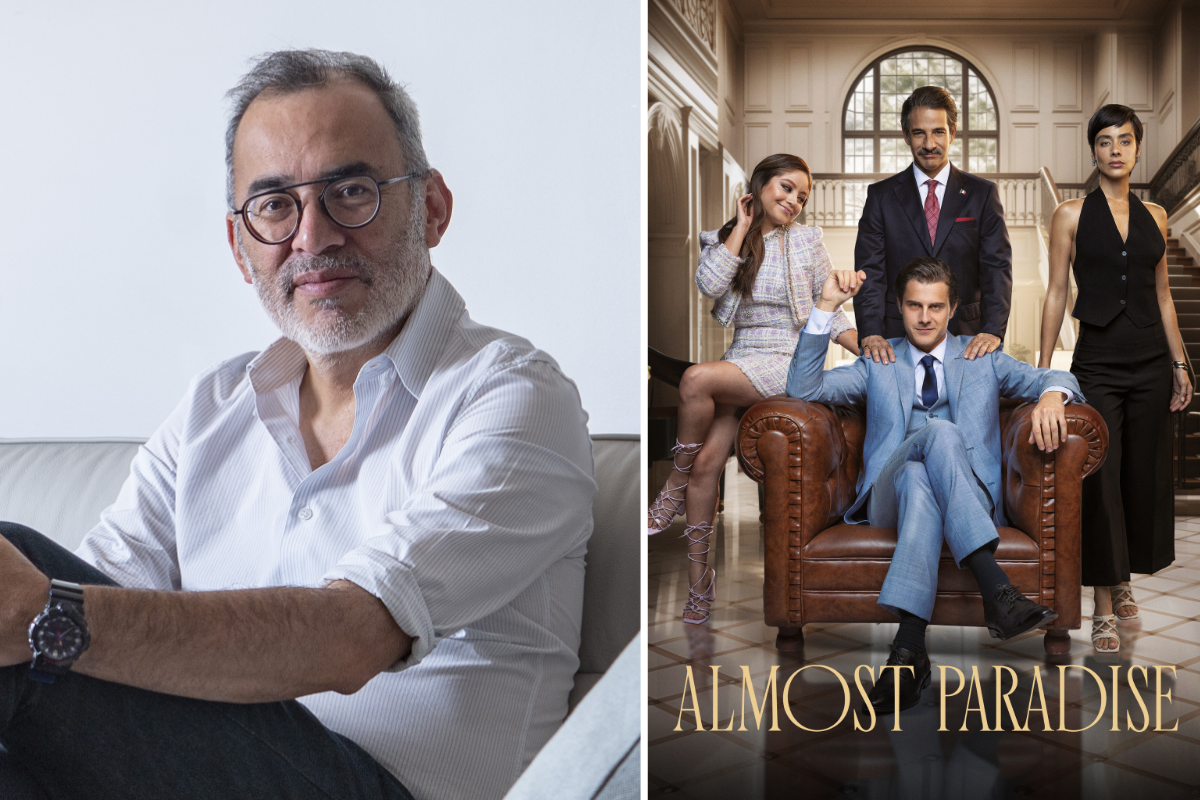
Almost Paradise Q&A imageAvailable for Q&As, Masterclasses, and workshops upon request, in English or Spanish.
Book a Screen+Talk

His credits as producer include The Maid (La nana, 2009, directed by Sebastián Silva) and The Towrope (La sirga, 2012, directed by William Vega). His short film Una bala won the Best Film Award at the Tokyo ShortShorts Film Festival and screened at the Toulouse, Sao Paulo, and San Sebastián International Film Festivals, among others.

His feature film debut, Almost Paradise (2024), was one of the top-grossing Mexican movies of 2024.

Press

“One of the most compelling Mexican comedies in recent memory—smart, politically charged, and cinematically confident. Based on Spota’s incisive satire, Edgar San Juan transforms the original narrative into a biting critique of class aspiration, political opportunism, and social spectacle.” – Orlando Betancourt, KinemaBooks

Almost Paradise succeeds in bringing to life the classic Mexican novel by Luis Spota in a way that feels both fresh and relevant. Edgar San Juan’s direction and co‑written screenplay with Hipatia Argüero adeptly transfer the story’s core themes—malinchismo (the preference for what’s foreign), elitism and corruption—from the 1950s to the contemporary world. San Juan’s creative choice to embed the narrative in the age of social media and “likes” gives the film a vibrancy and urgency that resonates far beyond its period setting.” – AJ Navarro, Polvora

Notes on the Film

“Our main challenge was making a fraud that felt credible today. What seemed plausible in the 1950s can look naïve in the 21st century—yet social media has made deception easier than ever. We now trust screens more than our own eyes. Lying is simpler today than it was 60 years ago; Parasite (Bong Joon-ho, 2019), proves that.

Updating Luis Spota’s 1956 novel also allowed us to rethink its machismo. In the film, Teresa Rondia and Frida Becker—women who longed for freedom in the original text—finally claim it. Their emancipation drives the story toward an unexpected turn, as they fight relentlessly for a cause of their own.

The film draws on narratives of imposture and social struggle from Parasite, The Talented Mr. Ripley, and Catch Me If You Can; and on the permanent political conflict portrayed in Diamantino. The result is a political and social farce—dark, ironic, and slightly surreal. Mexico itself is surreal, but also deeply shaped by postcolonial tension and an inferiority complex toward the foreign European figure, which we approach with humor.

Although the story is set in the present, the novel’s core themes—corruption, racism, and class struggle—remain painfully relevant in Mexico today. What we deliberately leave behind is the heteropatriarchal worldview of the 1950s. This film is told through a woman’s gaze, allowing its female characters to breathe and ultimately confront corruption and machismo.

In Mexico, we are protective about who gets to criticize us. Satire, culture, and humor become my tools to play with that idiosyncrasy—and to reflect it honestly on screen.”

Edgar San Juan, Director

Download