Eternity_Poster_Landscape Eternity_Still 02 Eternity_Still 04 Eternity_Still 06
  • Peru's Submission to the Academy Awards®

  • APRECI Awards

    Best Peruvian Film, Best Screenplay, Best Actor
  • Guadalajara Film Festival

    Best Debut Feature, Best Cinematography, FEISAL Award
  • Neighboring Scenes

  • Montreal First Peoples Festival

Synopsis

Aymara with English subtitles

With Rosa Nina, Vicente Catacora

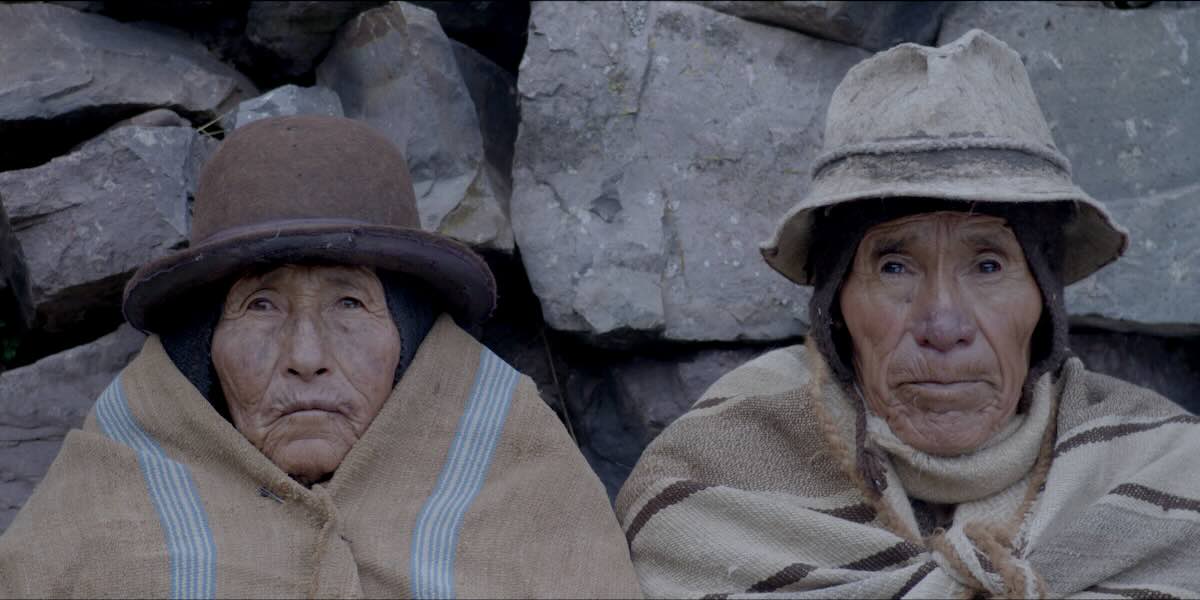
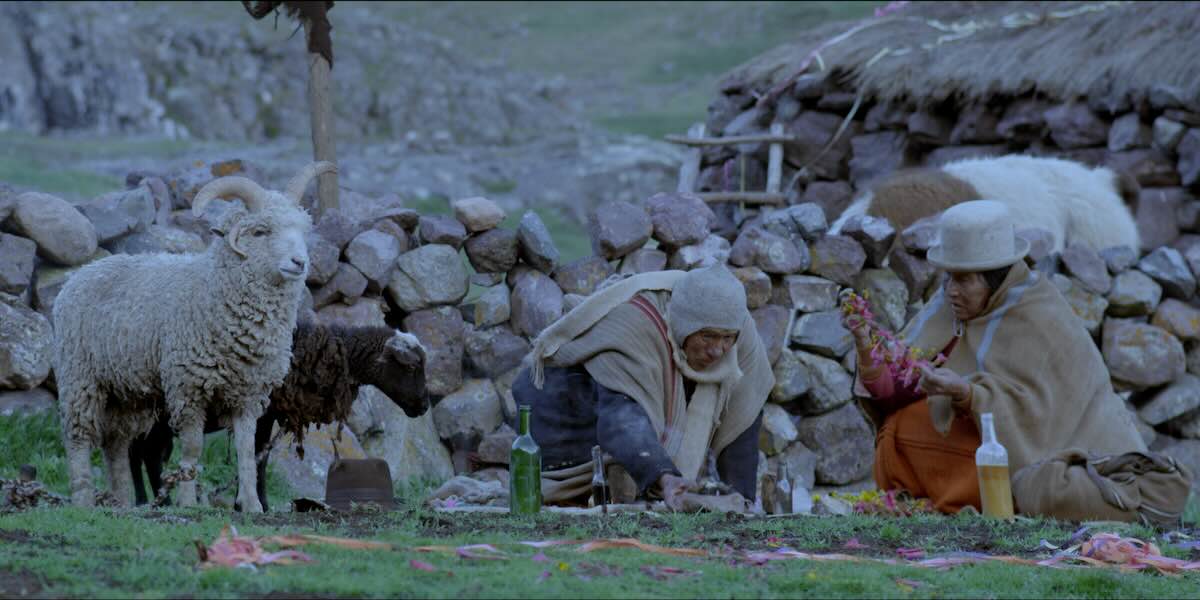
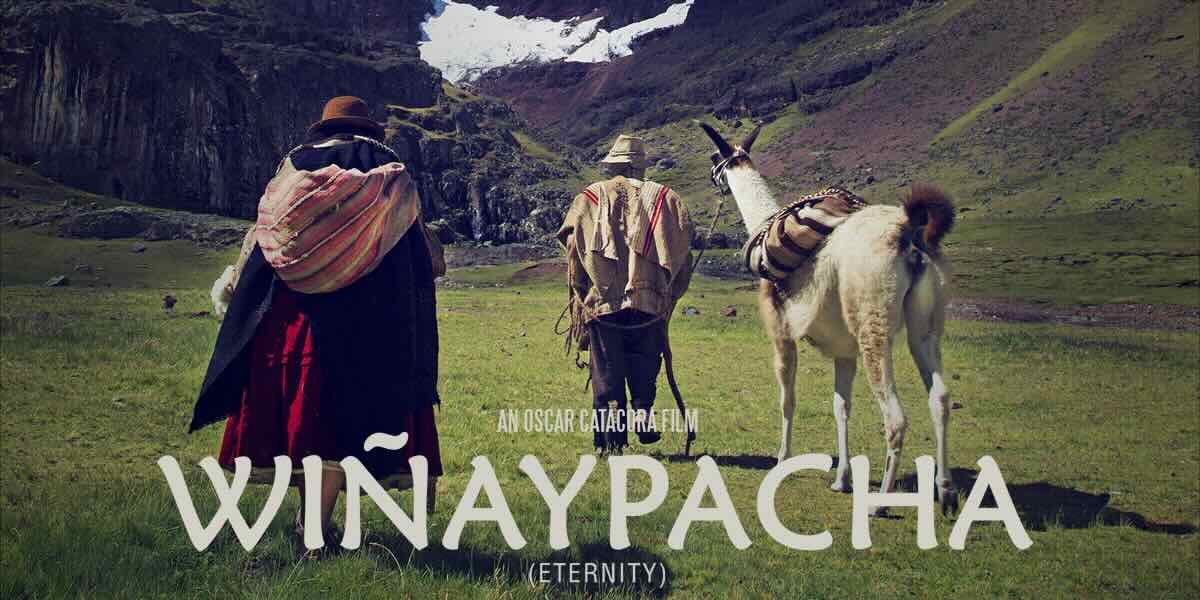
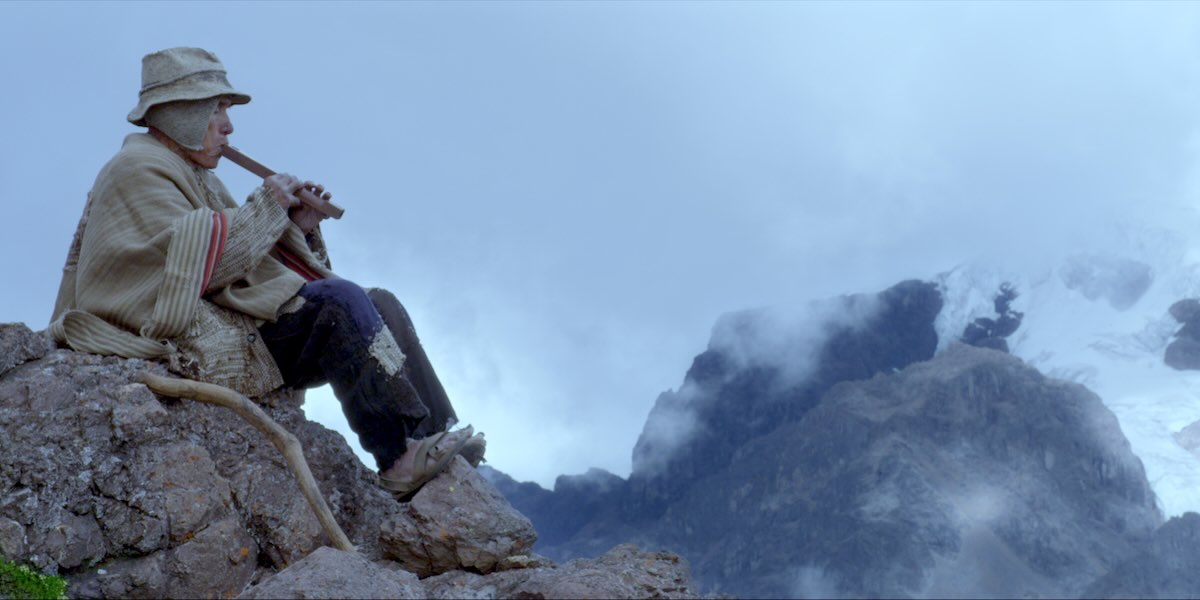
Eternity is an intimate, contemplative Aymara-language drama that follows an elderly couple living in radical isolation in the high Peruvian Andes, where time stretches across wind, stone, and silence. In a fragile stone hut perched above 5,000 meters, Willka and Phaxsi tend their animals, battle the elements, and wait—endlessly—for the return of the son who has migrated to the city and never writes back.

Told with minimal dialogue, patient long takes, and a monochrome palette of rock, sky, and wool, the film inhabits the rhythms of Andean life rather than explaining them, allowing the landscape to emerge as both shelter and adversary. Nature, memory, and faith intertwine as Willka and Phaxsi confront illness, hunger, and the encroaching modern world with a stubborn tenderness that borders on the sacred

Óscar Catacora’s debut and the first Peruvian feature entirely in Aymara offers a formally rigorous, deeply compassionate portrait of aging, abandonment, and resilience. It invites viewers to share the couple’s wait: not only for their absent son, but for recognition of a way of life that is vanishing in plain sight.
About the Director
Óscar Catacora (1987–2021) was a self-taught Peruvian filmmaker from Acora, in the Puno region of the Andes. A member of the Huaychani Aymara community, he grew up in the countryside with his grandparents, who taught him the Aymara language and shaped his deep connection to Indigenous Andean life.

He began making films as a teenager. At 19, he wrote, directed, and starred in the medium-length action-thriller El sendero del chulo (2007), which screened regionally in Puno, Juliaca, and Arequipa. After brief studies in theater and social communication at the Universidad Nacional del Altiplano, he focused on audiovisual work. In 2013, he scripted the genre film La venganza del Súper Cholo and won a 400,000-sol grant from Peru’s Ministry of Culture for his feature debut, Eternity (2017).

This landmark film—the first Peruvian feature shot entirely in Aymara—portrays an elderly couple abandoned at 5,000 meters above sea level. It drew from Catacora’s own childhood and earned Best First Film and Best Cinematography at Guadalajara, plus Peru’s Oscar submission for Best International Feature. He also shot the documentary Pakucha (directed by his uncle Tito Catacora) and Aventura sangrienta (2017).

Catacora died at 34 from appendicitis while filming his second feature, Yana-Wara (2023), in Collao Province. His uncle Tito completed it posthumously. It became Peru’s Oscar and Goya entry, cementing Óscar’s legacy in regional Indigenous cinema.

Press

“In the years to come, Eternity will continue to be studied and inspire future generations. And that is the emotion that good cinema provokes when it manages to become art.” – Sandro Mairata, Cinensayo

“A cinematic miracle for several reasons. The protagonists are played by people who had never acted or even seen a movie. What we see is human life in its raw transparency, human beings who speak and live 'without acting' on screen. Images in which reality overflows all illusionism: man before cinema.” – Sebastián Pimentel, Diario El Comercio

Notes on the Film

“My identification with Aymara culture, with its mythical universe and its problems, was key for this project to come to life in a staging that took a long time to complete.

The film is a social denunciation. For some time now, young people have been migrating to urban areas to specialize in a profession or pursue commercial or mercantile activities. They choose to stay in the cities and forget their places of origin. There, their parents remain, who have grown old over the years and, in many cases, have tragically died in solitude.

The idea was to address this issue and expose it to society in some way, generating a current of reflection and opinion.”

Oscar Catacora, director

Download