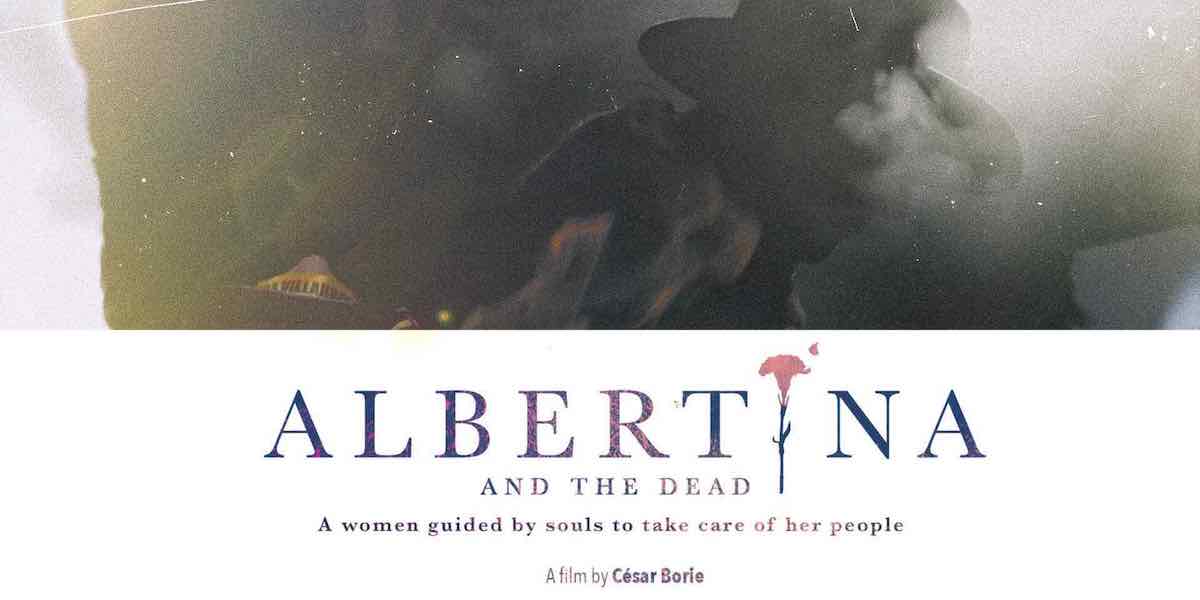
Albertina and the Dead
(Albertina y los Muertos)
Cesar Borie / Chile / 2022 / 80 min
SANFIC Santiago Int'l Film Festival
Recobrado de Valparaíso Int'l Film Festival
Honorable MentionArica Nativa Film Festival
Best Film - Filmin' Arica/TacnaAricadoc Int'l Documentary Film Festival
Quilpué National Film Festival
FECICH Chilean Film Festival
Pricing
Related Films
 The Spirit of The Ancestors(Te Kuhane o te Tupuna: El espíritu de los ancestros)Leonardo PakaratiThe Spirit of the Ancestors tells the story of Moia Hoa Haka Nana’ia, one of Rapa Nui’s (Easter Island) sacred spirits, also known as the ...
 The GuardiansBen Crosbie, Tessa MoranAn indigenous Mexican community and millions of monarch butterflies are under threat of extinction in the ancient forest they call home. The ...
 Marina Abramovic in Brazil: The Space in BetweenMarco Del FiolMarina Abramović travels through Brazil in search of personal healing and artistic inspiration, experiencing sacred rituals and revealing her creative ...
 Enlightened(Iluminados)Jorge CuriocaTwo people are closely related by unconventional forms of life and vision: Pedro Miranda, a young, blind visual artist; and Iris Palau, a clairvoyant. ...
 Birds of Passage(Pájaros de verano)Ciro Guerra, Cristina GallegoACADEMY AWARD® COLOMBIA’S SUBMISSION FOR BEST FOREIGN LANGUAGE FILM Cristina Gallego and Ciro Guerra, the creative team behind ...
Synopsis
Spanish with English subtitles
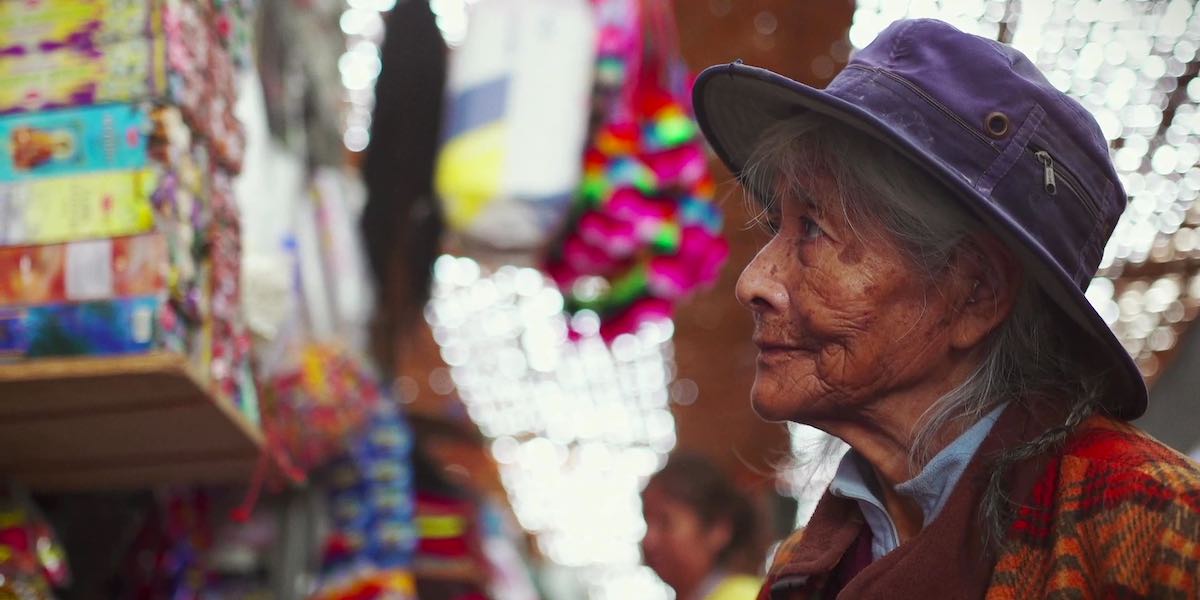
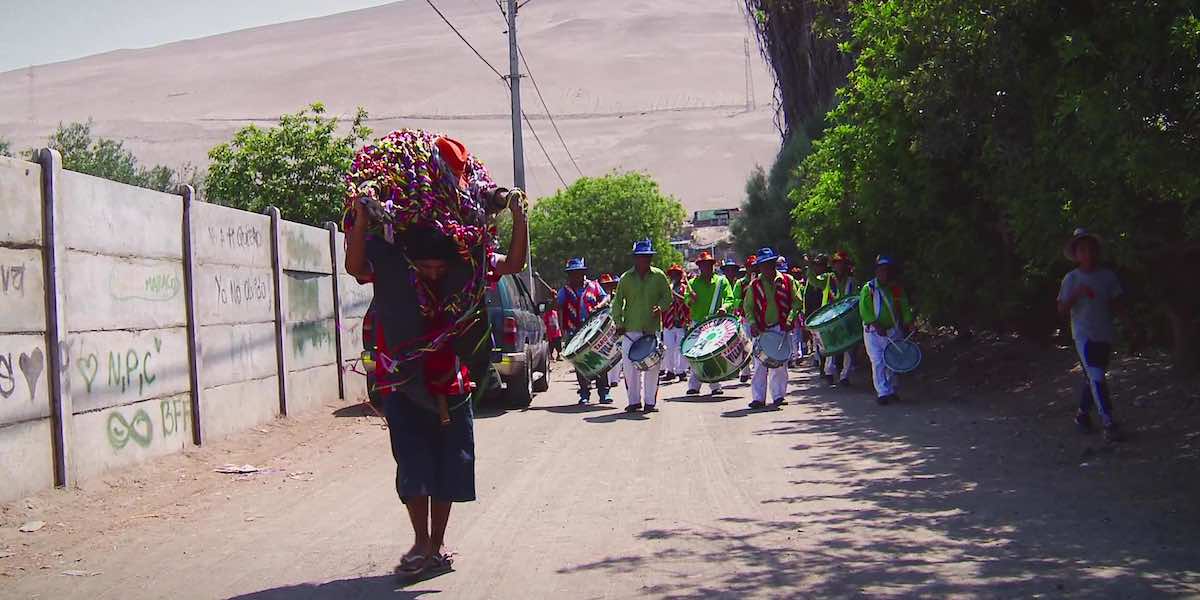
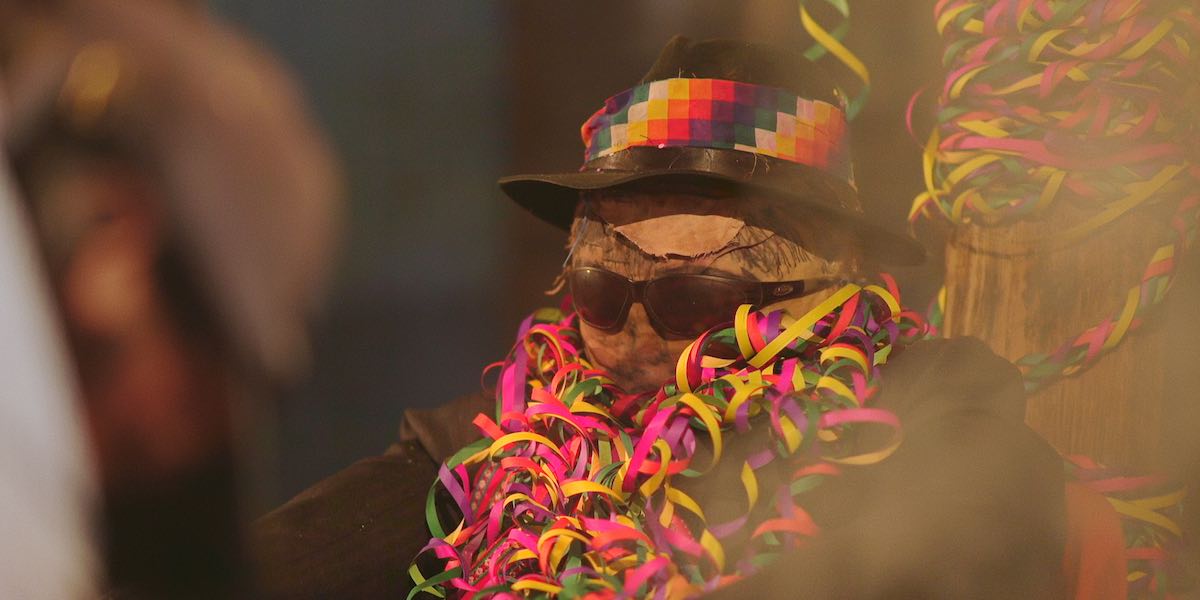
San Miguel is a village built over indigenous tombs and Albertina (78) is its spiritual leader. She is in charge of communicating with the Ño, a deity whose physical form is a rag doll, which the inhabitants worship during carnival week. The old woman organizes the rituals in his honor with the help of her family and neighbors.
With this premise, César Borie captures the attention of everyone in a documentary that seems more like a mystery film. In several interviews, the main character tells the story of her life, full of magic, significant vulnerability, and a speech of empowerment worthy of any woman who knows she is a leader. While Albertina delivers her personal experience with this magical entity, Ño, her daughters, grandchildren, and neighbors tell how it is to live and witness this tradition, and at the same time reflect on their own beliefs and faith in what their beloved matriarch has told them for years.
However, the protagonist’s old age hides the uncertainty of what will happen to these traditions at the moment of her death.
Related Subjects
About the Director
Press
“Always entertaining and interesting, Albertina and the Dead is a welcome cultural contribution, which also stands out for being a production made in remote regions, allowing the rest of the country to get to know these characters and their way of life and their rites and customs, which are most likely practically unknown.” – Joel Poblete Morales, Televitos
“They are ceremonies with alcohol, smoke, songs, dances, processions, meals, burials and disinterments. They are rough lives with beliefs that, from the center of Chile, seem foreign. As of compatriots from another world, from a parallel reality, from and with another time, from another era. And yet, Albertina and the Dead shows a living community, with firm beliefs even though they may seem, in our rationality, superstitions.” – Ezio Mosciatti, Biobio Chile
Notes on the Film
“Albertina played a key role in establishing and promoting many of these customs in the town of San Miguel, instilling in them her deep faith, respect, and affection. Thus, she forged traditions that dazzle today for their strength but at the same time reveal their great fragility, as their continuity depends on the wisdom, charisma, and authority that Albertina’s figure had in the Azapa Valley.
Albertina’s advanced age and deteriorated state of health imposed urgency on the project of recording her story and her special gaze, in order to rescue a different logic, where the limits between life and death are blurred to reveal the mysteries hidden in our environment and highlight the determining force of our own actions and beliefs.”
– Cesar Borie, director