“I was in high school, and my younger twin brothers were in middle school, when my oldest brother, Paco, dropped out of auto mechanic college to return home and pursue his dream of making El Escape, his first feature fiction film. This inspired our shared aspiration to establish a sibling movie production studio. So, I delved into film studies and encouraged my younger twin brothers to follow suit.
However, life led us down divergent paths with my brother Mars’ (the younger of the twins) sudden passing. With him, vanished our collective dreams for the future. I stayed in New York, navigating my grief and indecision, pursuing journalism and documentary filmmaking, until the divisive rhetoric of the 2016 election ignited a need for me to reconnect with my home.
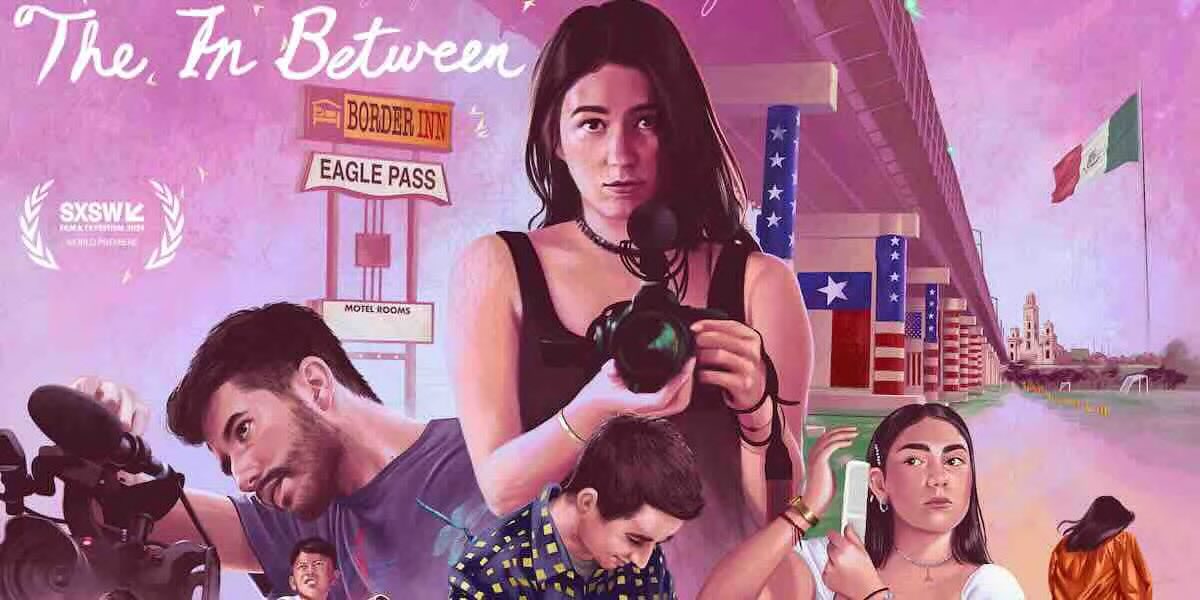
The rising tide of racism and anti-immigrant sentiment made me hyper aware of my background. My hometown, once a place I was desperate to escape, had become a political bargaining chip, perpetuating outdated stereotypes for Republican fundraising. Disheartened, I made the decision to return to Eagle Pass, on the Texas/Coahuila border. I believed that by showing the reality of life in our community through film, we could reclaim our narrative.
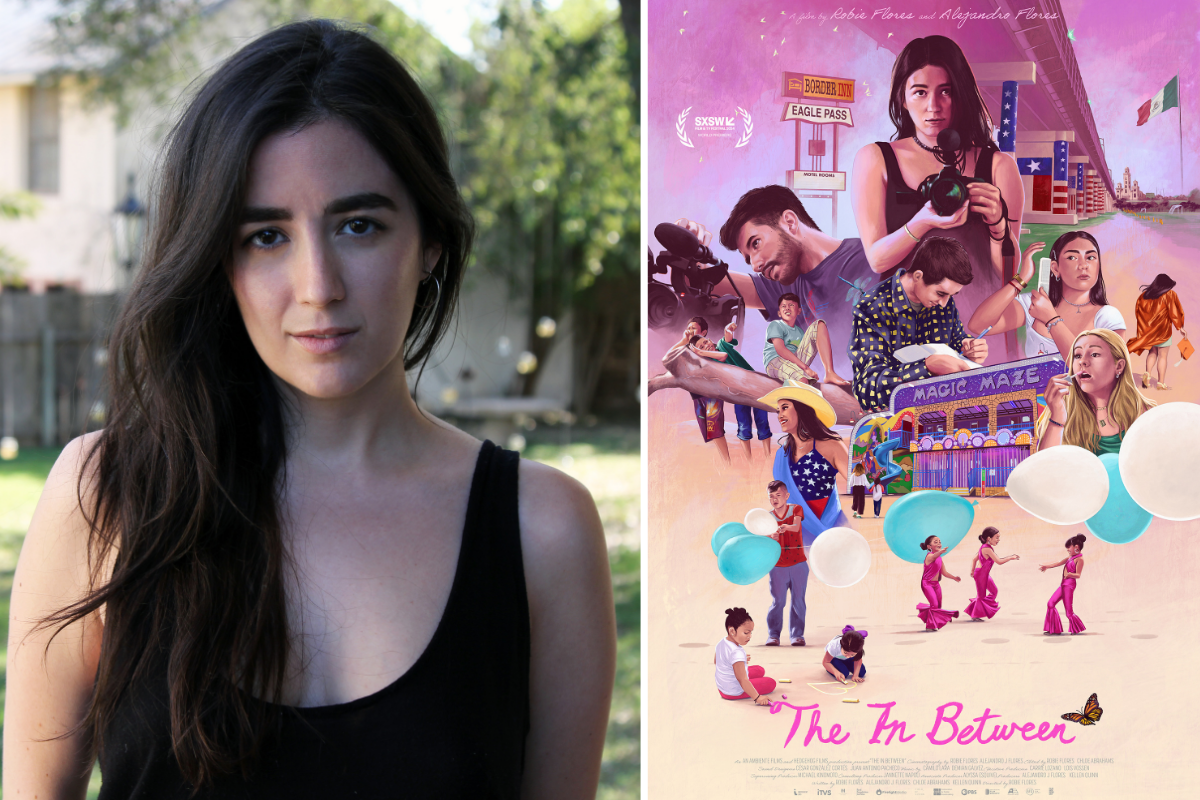
Seven years later, with the support of my producer, Alex—the elder of the twins, who left his corporate job—we completed our first film. It turned out to be far more personal than I initially intended. Through the process, we embarked on a journey of healing from loss and discovered our fronterizo/bi-national identity.
The title of the film came first. I had these three words dancing in my head and scribbled in my journal for almost a year. One day, I was crossing the bridge from Eagle Pass to Piedras Negras running errands with my mom, when I was struck by the significance of that liminal space—a physical and emotional threshold. It dawned on me that this state of ‘in-betweenness’ defined not only my geographical and cultural identity as a Mexican American but also my emotional journey through grief.
Inspired by the ordinary moments of life that Mars cherished, I set out to collect these fleeting instances on film. Films like Slacker and Boyhood reminded me of his sensibility, illustrating the beauty in life’s mundane aspects. I’ve always loved how director Richard Linklater unapologetically elevates the ordinary and makes it the main course. My vision was to create a cinematic journey that captured the essence of our community, offering a narrative that fosters a sense of familiarity and belonging.
In the process of making the film, I discovered the writings of queer Chicana poet and feminist theorist Gloria Anzaldúa, as well as the melodies of Mexican singer Natalia Lafourcade’s Musas album, which reminded me of my childhood. Their artistry offered me profound insights into our border culture and history, enriching the tapestry of our storytelling. We also listened to the album Sour by Filipina American singer-songwriter Olivia Rodrigo on repeat while filming with the teens. It transported me back to La Frontera in 2002, when I was growing up and navigating Mexican-Americanity at the same age.
Working on this film over the past year has been an incredibly jarring experience. I look at images of my home that we’ve captured over the last six years, and it still resembles the place I’ve known my entire life. Yet, when I return home after work and see the current state of affairs depicted in the news or in photos shared by friends and family, I feel like I’m witnessing a foreign world. It resembles a war zone, starkly contrasting with the familiar scenes I’ve grown up with.
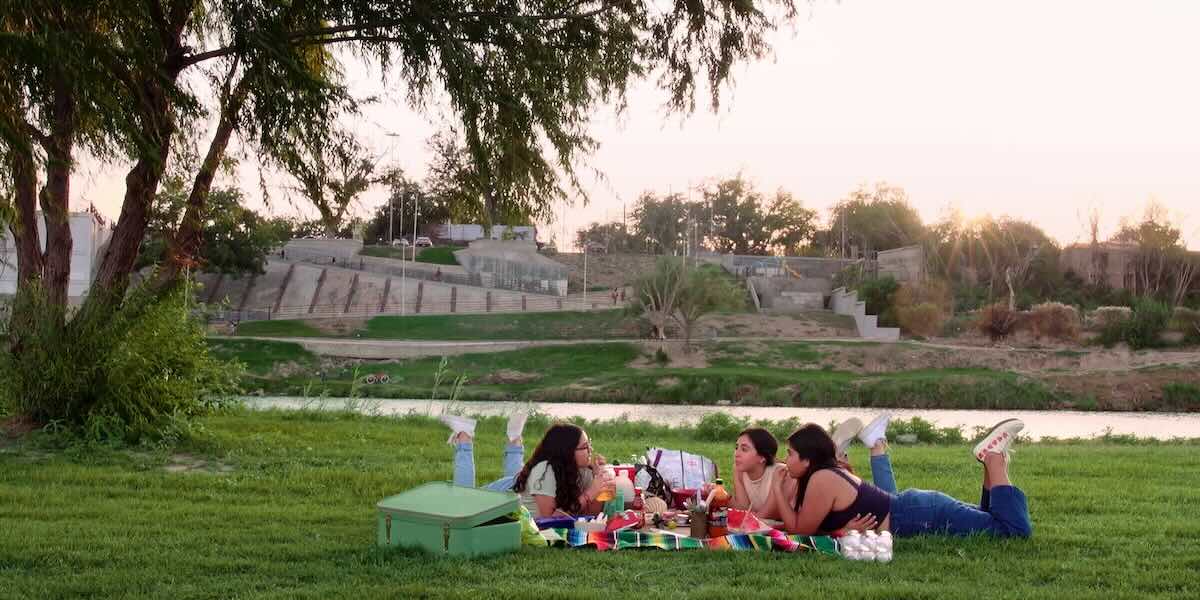
But when I’m physically there, it doesn’t feel like a battleground; instead, it just looks like a movie set. The Mexican side still has its timeless allure, with lush greenery and a vibrant river walk where children play freely, people are leisurely fishing or jogging, and families simply gather to relax and socialize.
On the American side, however, the riverbanks have been ravaged and destroyed. The park adjacent to the river, where we spent countless hours filming and where I used to start my mornings with a run, has been unlawfully seized by the Texas government. Sadly, our home has become the focal point of every Republican politician’s campaign for the 2024 election. Their rhetoric even inspired a caravan of armed right-wing Christian nationalists to journey to our community, intent on asserting their version of order.
My family was stopped and asked for their IDs by armed civilian strangers. Never before have I felt such a profound sense of danger and fear within the confines of my own home. This unsettling scenario is a direct consequence of the relentless portrayal of a single narrative about our community, perpetuated repeatedly through television, film, and media. And yet, I don’t blame them entirely; after all, it’s the only perspective they’ve been exposed to. But it’s far from an accurate depiction of reality.
Having spent six years filming in my hometown, I got to see firsthand the changes unfolding and how the actions of the American government have contributed to the current bottleneck situation, exacerbating the migrant crisis we’re witnessing today. They’ve been able to manipulate the narrative because they’ve always controlled it. This is why we had to tell our story.”
— Robie Flores, Director

 Available for Q&As, Masterclasses, and workshops upon request, in English or Spanish.