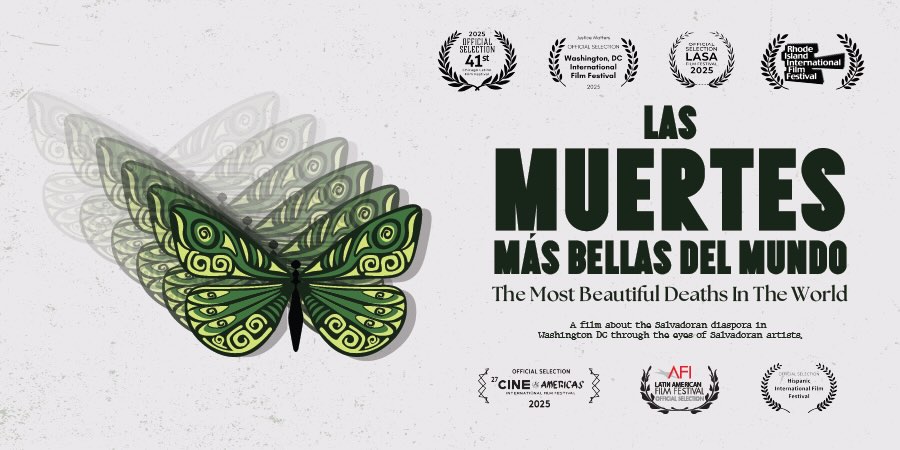
The Most Beautiful Deaths in the World
(Las muertes mas bellas del mundo)
Quique Aviles, Ellie Walton / United States, El Salvador / 2024 / 70 min
AFI Latin American Film Festival
Cine Las Americas Int'l Film Festival
Audience Choice Award for Best DocumentaryLASA Film Festival
Chicago Latino Film Festival
Philadelphia Latino Arts and Film Festival
Big Apple Film Festival
Flickers-Rhode Island Int'l Film Festival
Hispanic International Film Festival
Pricing
Related Films
The In BetweenRobie FloresFollowing the death of her brother, filmmaker Robie Flores returns to her hometown Eagle Pass on the Texas-Mexico border, yearning to turn back time. ...
The Journey(La travesía)Noé ValladaresThe Journey explores the human consequences of migration through the intersecting experiences of three protagonists arriving at a shelter on the ...
Dreams of Chonta(Dreams of Chonta)Monica CohenNew York is the promised land for musicians, welcoming outstanding and virtuoso performers from every corner of the world hoping to find success. Diego ...
Home is Somewhere Else(Mi casa está en otra parte)Carlos Hagerman, Jorge VillalobosWhy you must-see this film. Because it is the most authentic, multi-awarded animated feature documentary providing an unusual intimate window into the ...
The Offended(Los Ofendidos)Marcela ZamoraAn award-winning documentary on the legacy of the internal armed conflict in El Salvador, The Offended features the director’s charismatic father, ...Synopsis
English and Spanish with English subtitles
With Quique Avilés
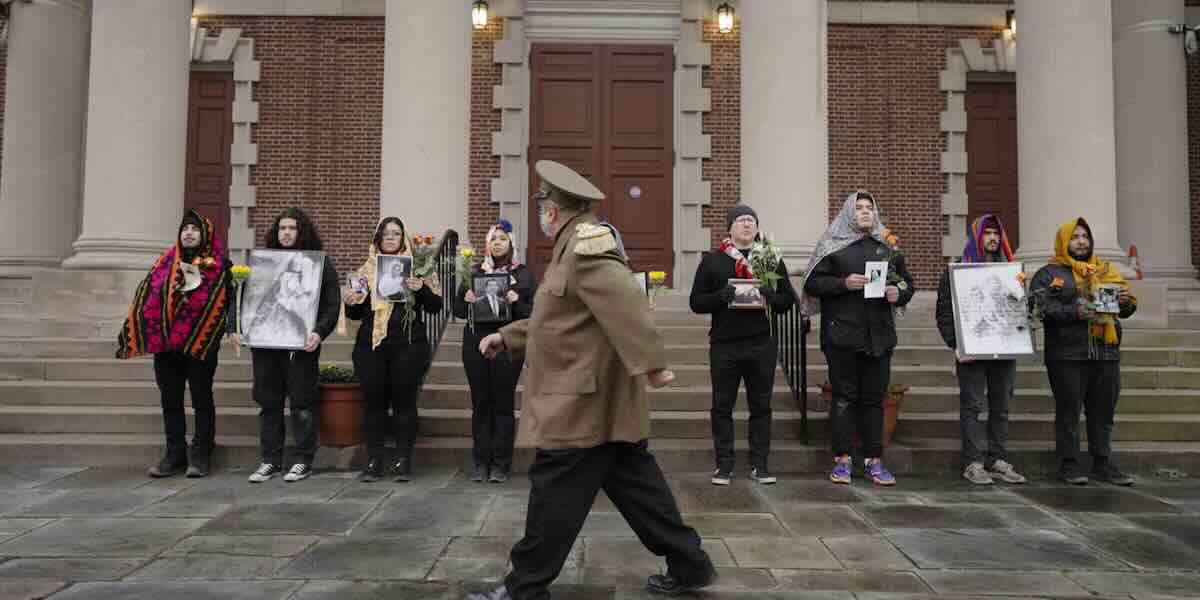
The Most Beautiful Deaths in the World tells a story of Washington DC’s Salvadoran community –its struggles and humanity– through the eyes of artists of the diaspora who made art out of war as they created a home in the nation’s capital.
The film follows a poet’s journey to find the truth about his family’s past and find healing through his writing of the poem that became the title of the film.
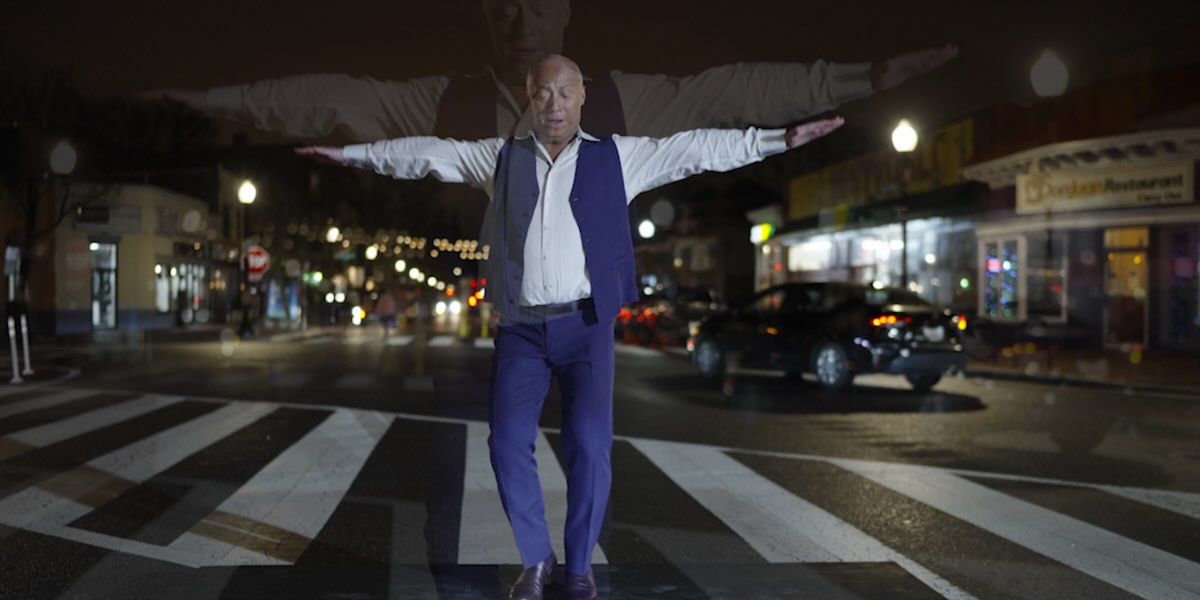
The film interweaves a collection of artist portraits – a photographer, a dancer/choreographer, and several musicians – with a wider group of voices and archival images to tell a compelling and intimate narrative of a community resolving trauma and finding identity, salvation, and joy. At a time when El Salvador and its mega-prisons are much in the news, the film provides important historical context, connecting today’s social and political issues with the past.
Related Subjects
About the Directors
Quique Aviles is a poet, performer, film producer, director, teacher, and community scholar. Originally from El Salvador, he has dedicated his life to documenting the stories of everyday people from immigrant, Black, and poor communities and bringing them to life through poetry, performance, and film. His poetry has been featured on NPR’s Latino USA and This I Believe, and in the anthologies How I Learned English, Al Pie de la Casa Blanca, and The Wandering Song: Central American Writers in the US.
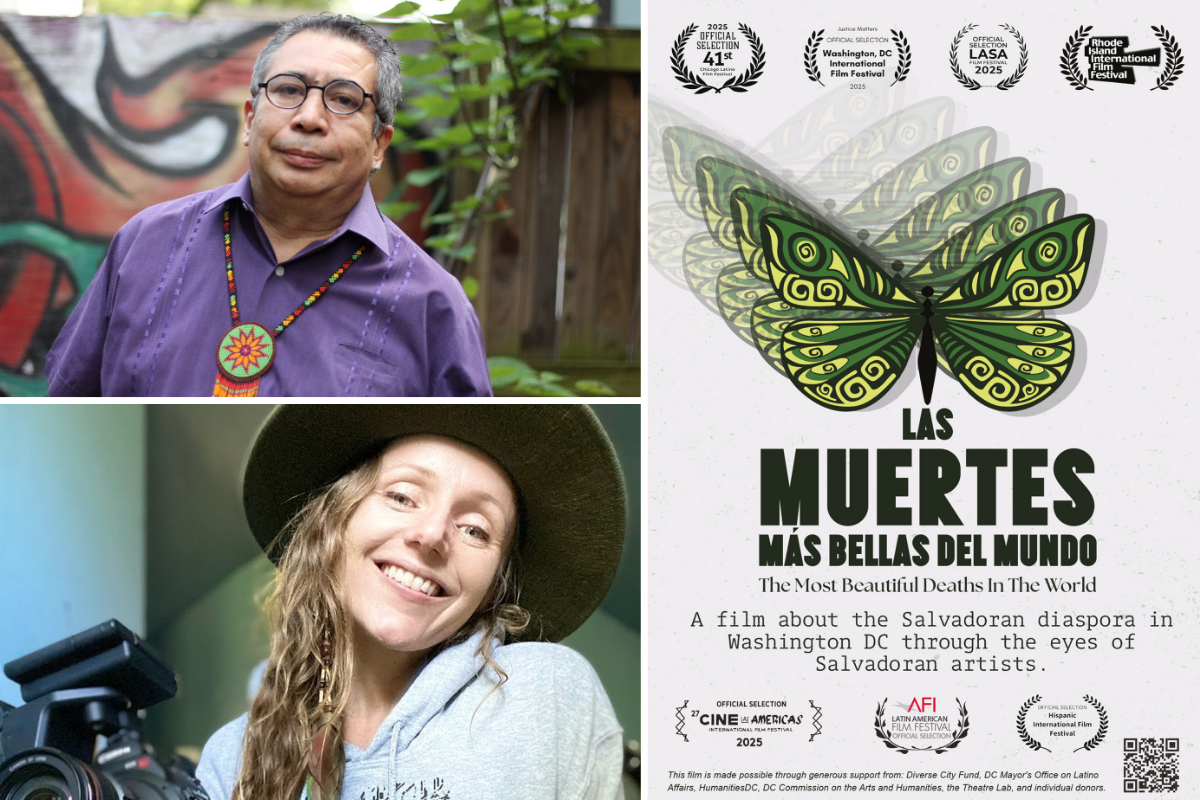
In addition to co-directing The Most Beautiful Deaths in the World, Quique was featured in La Manplesa, a documentary about the 1991 riots in Washington DC’s Mt. Pleasant neighborhood.
Press
“The film is truly beautiful and stunningly balances lived experience, personal history, community history, and the emotional worlds of the artists. I was truly moved, and it was clear to me that our audience connected deeply with the subject of the film, no matter their personal backgrounds.” – Maren Orchard, DC History Center
“The Most Beautiful Deaths in the World fills in gaps that especially happen in migration and through intergenerational trauma because what trauma does is create a hole where history should be. In order to survive, people don’t talk about the history… This film is recalling that history through metaphors, sounds, and feelings and putting an image on what remained unnamed.” – Professor Ana Patricia Rodriguez, University of Maryland
Notes on the Film
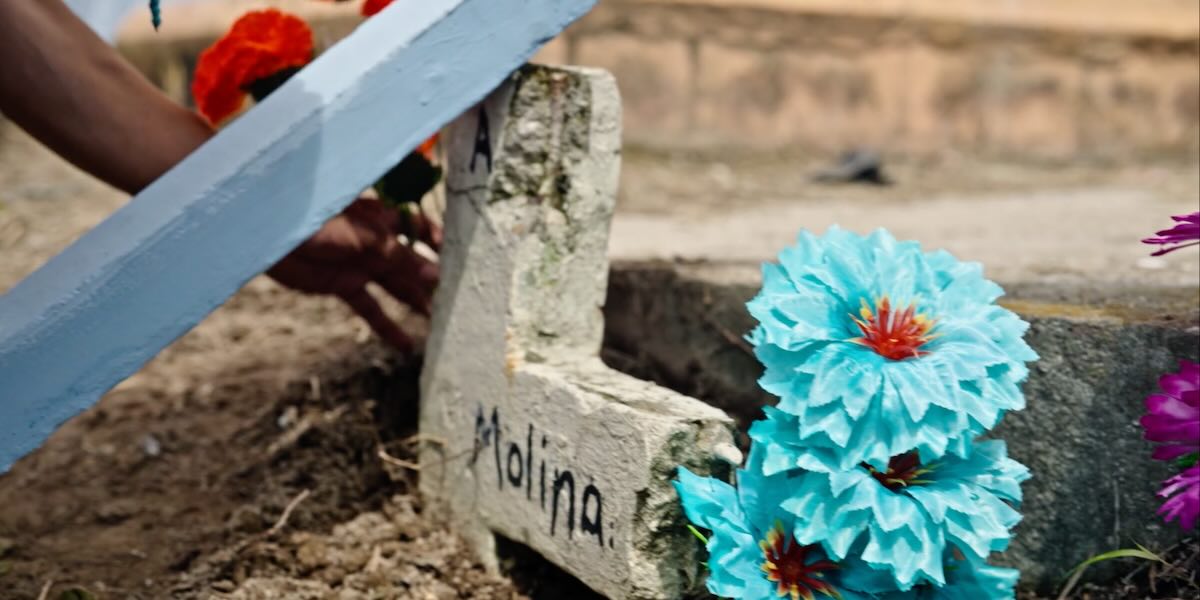
“The idea for this film emerged in 2019, born out of my anger at seeing people fleeing violence in Central America only to have Trump take their children and put them in cages. I went to the border with my friend Mark Perkins to film. With my own 40th anniversary of arriving to the US in 1980 coming up, I decided I wanted to make a film about the Salvadoran presence in DC with the working title 40 Years and Still Running. We started interviewing people, then the pandemic hit. With time to pause and dig into boxes of archives, the idea to tell the story through the eyes of Salvadoran artists emerged. I asked Ellie Walton and Magee McIlvaine to work with our team on the concept and contacted the artists. Around the same time, I started going to El Salvador to uncover my family’s past and found the tombs of my relatives killed by the death squads. I started writing the poem that became the title of the film and is a tribute not only to my own family but to all of us who have turned the horror of death into art and beauty. We could not include everyone interviewed or everyone in the diaspora here making art and organizing for our human dignity. We hope to inspire the next filmmakers to continue telling our story.”
– Quique Aviles, Co-director
“Growing up in the artist community of Mount Pleasant, I learned how art unites, speaks truths, and heals. Making La Manplesa, a film about the 1991 uprising sparked by the police shooting of Daniel Gomez, confirmed how necessary it is for us to honor the history of our neighborhood, both to reveal the injustices that continue to permeate and to celebrate the resistance, the claiming of space by Salvadoran poets, actors and musicians here in Washington, DC. The Most Beautiful Deaths in the World expands this work, tracing the journey from El Salvador’s civil war to how artists found home and beauty in the US, using their craft to process and heal from trauma. It has been the deepest honor to collaborate with Quique, a childhood mentor of mine and now a co-conspirator in storytelling that is deeply personal and playful in form, blending elements of theatre, poetry, film, and community organizing.”
– Ellie Walton, Co-director