Yana-Wara
Oscar Catacora, Tito Catacora / Peru / 2023 / 86 min
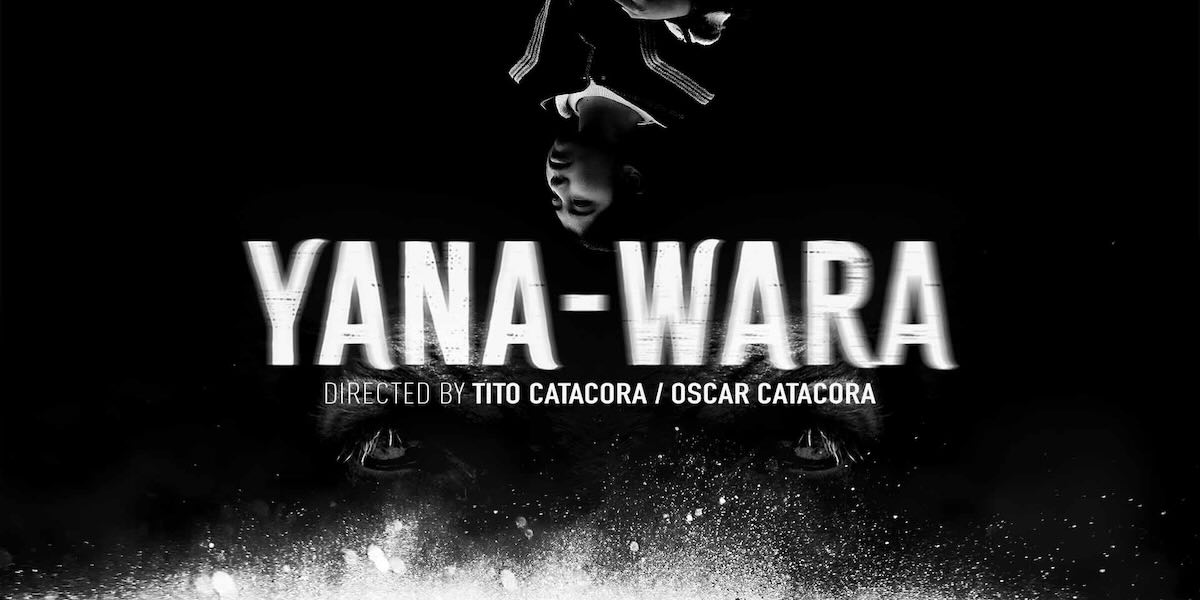
Peru's Submission to the Academy Awards®
Malaga Spanish Film Festival
APRECI Awards
Best Film, Best Director, Best ScreenplayLima Festival Festival
Honorable Mention - Best Peruvian Film
Pricing
Related Films
 Eternity(Wiñaypacha)Oscar CatacoraEternity is an intimate, contemplative Aymara-language drama that follows an elderly couple living in radical isolation in the high Peruvian Andes, where ...
 Pakucha(Pakucha)Tito CatacoraIn an Aymara community in the Peruvian southern Andes, an alpaquera family gathers to celebrate the ancient ritual of “uywa ch’uwa,” a practice ...
 Mataindios(Mataindios)Oscar Sánchez SaldañaIn a remote village grappling with the unresolved trauma of multiple disappearances, four villagers decide to organize a festival to honor their town’s ...
 Sun and Daughter(Cuidando al sol)Catalina RazziniWhy you must-see this film. Because it is a feel-good debut film by Bolivian director Catalina Razzini, an incredible new talent to watch. It is a ...
 Albertina and the Dead(Albertina y los Muertos)Cesar BorieSan Miguel is a village built over indigenous tombs and Albertina (78) is its spiritual leader. She is in charge of communicating with the Ño, a deity ...
Synopsis
Aymara with English subtitles
With Luz Diana Mamami, Cecilio Quispe, Juan Choquehuanca, Irma D. Percca, José D. Calisaya
Yana-Wara is a stark, black-and-white drama that weaves together communal justice, gender violence, and Andean spirituality in the windswept highlands of southern Peru.
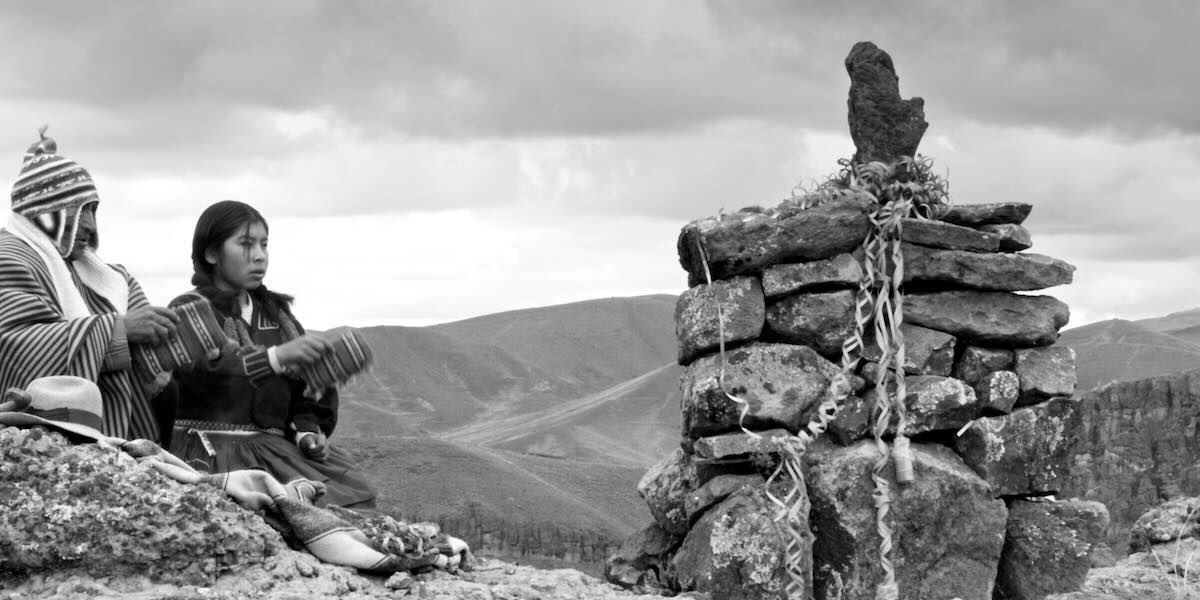
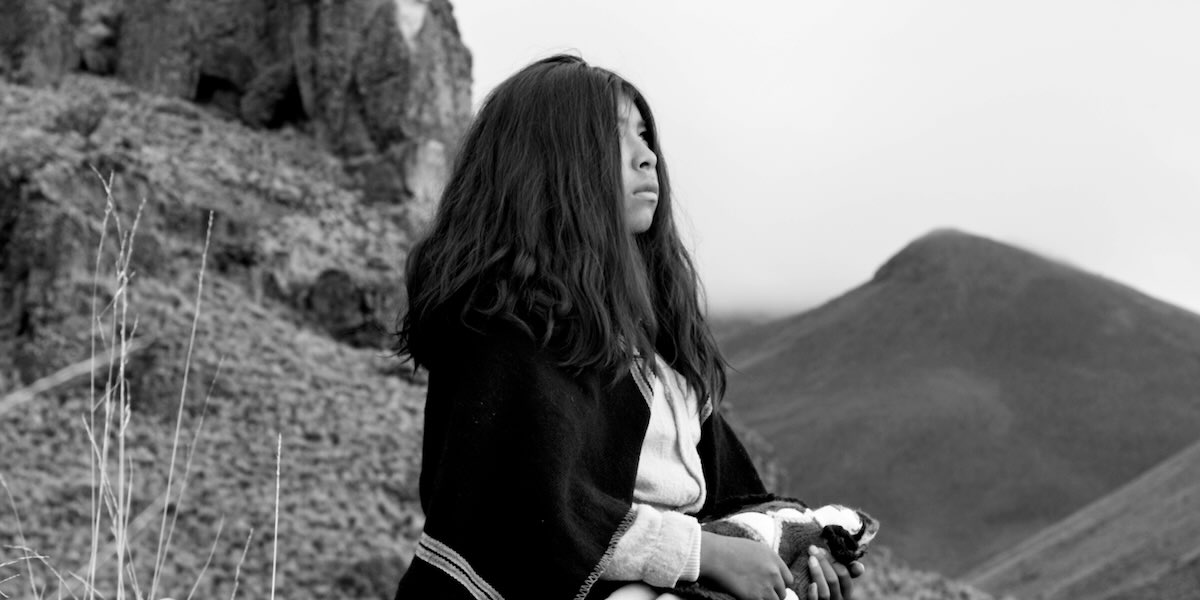
At 80 years old, Don Evaristo faces the communal justice system, accused of murdering his 13-year-old granddaughter, Yana-Wara, while the entire community gathers to decide his fate. As the testimonies unfold, the hearing frames the film, and the villagers gradually reconstruct the girl’s story, shifting between the present-day proceedings and the harsh, luminous landscapes where she once herded llamas and carried out daily chores after her mother’s death.
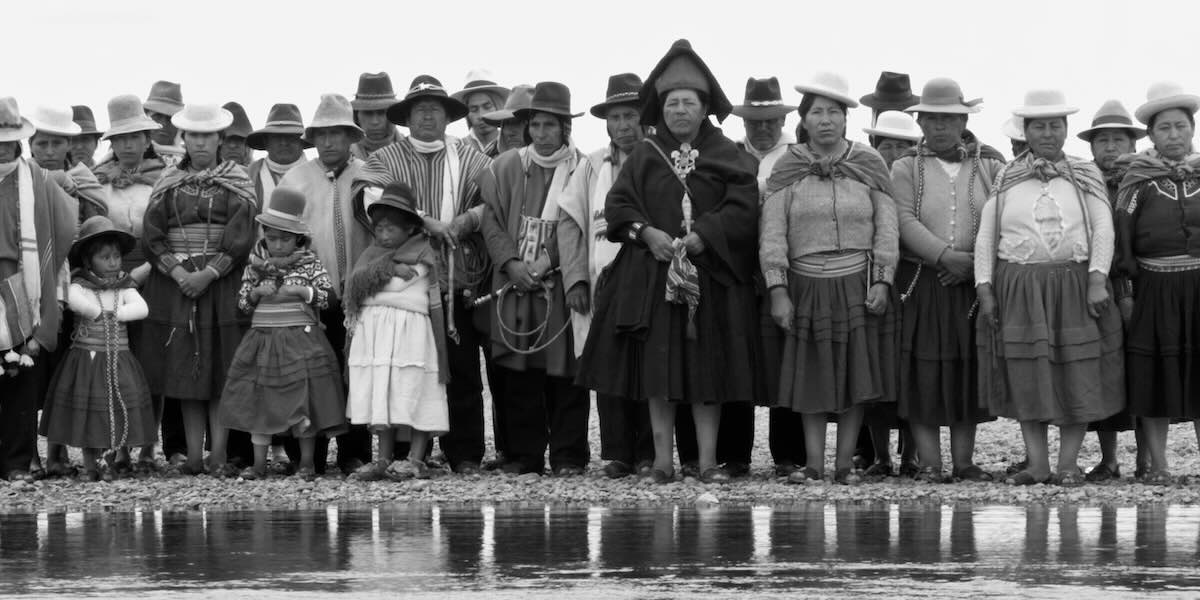
Drawing on Andean mythologies and real testimonies that inspired the directors, Oscar and Tito Catacora, the film blurs the line between social realism and the supernatural. It suggests that the landscape itself bears witness to the community’s unspoken crimes. The villagers act almost like a Greek chorus: they observe, judge, and at times participate in punishment. In the end, nature, spirits, and law converge to question who truly holds responsibility for Yana-Wara’s death.
Related Subjects
About the Directors
He began making films as a teenager. At 19, he wrote, directed, and starred in the medium-length action-thriller El sendero del chulo (2007), which screened regionally in Puno, Juliaca, and Arequipa. After brief studies in theater and social communication at the Universidad Nacional del Altiplano, he focused on audiovisual work. In 2013, he scripted the genre film La venganza del Súper Cholo and won a 400,000-sol grant from Peru’s Ministry of Culture for his feature debut, Eternity (2017).
This landmark film—the first Peruvian feature shot entirely in Aymara—portrays an elderly couple abandoned at 5,000 meters above sea level. It drew from Catacora’s own childhood and earned Best First Film and Best Cinematography at Guadalajara, plus Peru’s Oscar submission for Best International Feature. He also shot the documentary Pakucha (directed by his uncle Tito Catacora) and Aventura sangrienta (2017).
Catacora died at 34 from appendicitis while filming his second feature, Yana-Wara (2023), in Collao Province. His uncle Tito completed it posthumously. It became Peru’s Oscar and Goya entry, cementing Óscar’s legacy in regional Indigenous cinema.
From Acora in the Puno region, Tito worked inseparably with Óscar since their early short films. He produced and served as cinematographer on Óscar’s debut Eternity (2017), the first Peruvian feature in Aymara. They also collaborated on El sendero del chulo (2008).
After Óscar’s death during the 2021 shoot of Yana-Wara (2023), Tito stepped in as director and cinematographer to complete it, honoring his nephew’s vision while bringing his own rational approach to the story of gender violence and Andean spirituality. The film became Peru’s entry for the Oscars and Goyas.
Tito also directed Pakucha (2021), produced and directed Los indomables (2024), and earned two awards with two nominations. In interviews, he champions Aymara language in cinema and critiques persistent issues like forced marriages and corporal punishment in Indigenous communities
Press
“A poignant outcry against gender violence suffered by an indigenous Aymara girl who is haunted by malignant spirits, in a story set in the bleak and beautiful Peruvian Highlands.” – Patricia Boero, The Film Verdict
“Masterful, yet another proof that the best contemporary Peruvian cinema is happening outside Lima, conceived by those who live beyond the capital and aimed at their own neighbors.” – Carlos Bambarén, Cinestesia
Notes on the Film
“One of the reasons [why we filmed in black & white] is that we make art cinema or auteur cinema, and we do not always think about the viewing audience. This is different in the case of commercial entertainment works or films, which do think about the viewer. We work with concepts and, based on them, we believe that to achieve the desired effect—such as showing that the girl is going through a difficult, dark, sinister, and malevolent moment—the film must be in black and white. Since we are dealing with the theme of evil spirits, they do not appear in broad daylight, but generally in darkness.
Evil spirits usually manifest at night, at dangerous hours such as six in the evening or midnight. Generally, they are found in depths, in caverns, caves, or wells. Conceptually, this required treating the film in black and white. And to achieve the viewer’s emotion, the use of color did not give the same effect. Color is distracting, while the absence of color allows the viewer to focus on the story and the performances. On the other hand, we are working with a distinctly Andean concept of power, and in our context, color has another meaning. Black, in particular, has a different concept.
Black is not synonymous with death. For us, it means power. Today, in the south of the department of Puno, in the province of Chucuito, political authorities dress in black. These representatives of the Executive Branch, such as the lieutenant governors, dress in black not because someone has died, but because they symbolize power, representing the president of the Republic and the Executive Branch. In our film, we also speak a great deal about power: the power of the pig, the power of the communal authority, and the power of the woman.”
– Tito Catacora, director