Zafari
Mariana Rondón / Brazil, Mexico, Peru, Venezuela / 2024 / 100 min
San Sebastián Int'l Film Festival
Biarritz Film Festival
Best featureFribourg Int'l Film Festival
Munich Film Festival
São Paulo International Film Festival
Lima International Film Festival

Spanish Film Club
Related Films
Bad Hair(Pelo Malo)Mariana RondónA nine-year-old boy’s preening obsession with straightening his hair elicits a tidal wave of homophobic panic in his hard-working mother, in this ...
La Soledad(La Soledad)Jorge Thielen-Armand Handyman José lives with his family in La Soledad, a dilapidated villa located in what was once among Caracas’ most affluent neighborhoods. After ...
The Kid Who Lies(El Chico que miente)Marité UgásA 13-year-old boy leaves his home and starts a journey along the Venezuelan coast. In order to survive, he captivates people by telling them riveting ...
El Amparo(El Amparo)Rober CalzadillaIn the Venezuelan town of El Amparo, near the border with Colombia, a group of fishermen sets off down the Aruca River. But only two men return, their ...
I Am the People: Venezuela Under Populism(El pueblo soy yo: Venezuela en populismo)Carlos OteyzaIn a world increasingly less transparent, where the shortcut of populism lurks to endanger democracies, I Am The People: Venezuela Under Populism compels ...Synopsis
Spanish with English subtitles
With Claret Quea, Daniela Ramírez, Francisco Denis, Samantha Castillo
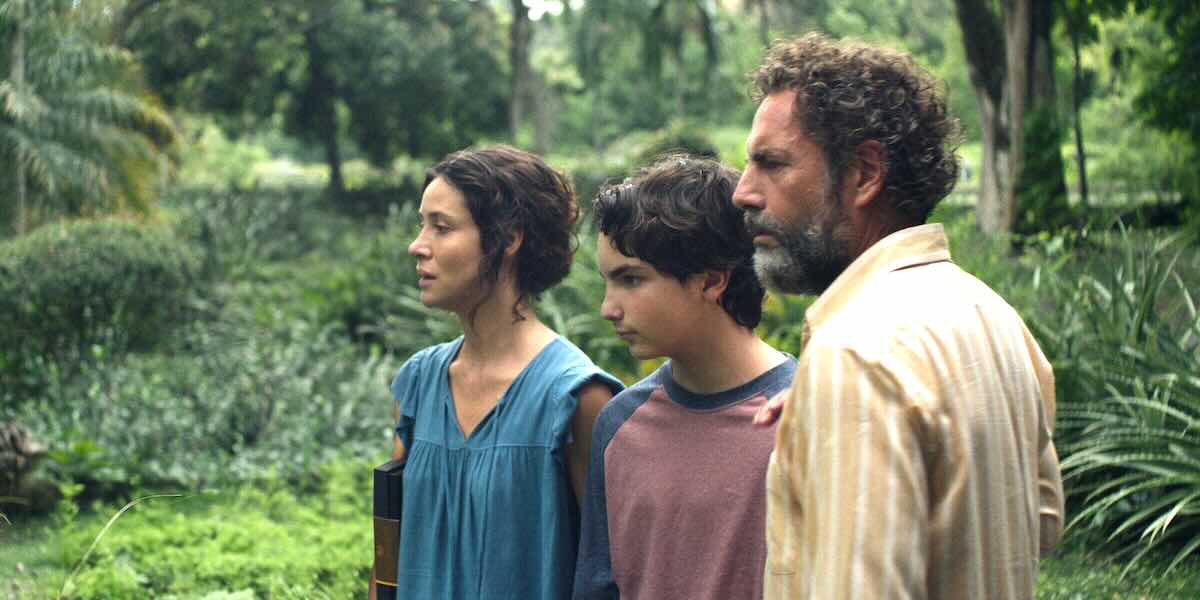
Zafari, directed by acclaimed Venezuelan filmmaker Mariana Rondón, is a bold and unsettling exploration of social fracture, power, and survival in contemporary Latin America. Celebrated at major international film festivals, the film marks Rondón’s return to politically charged storytelling following her Golden Shell–winning Bad Hair (Pelo Malo) at the San Sebastián Film Festival. Blending social realism with fable and allegory, Zafari offers a stark portrait of life amid systemic collapse.
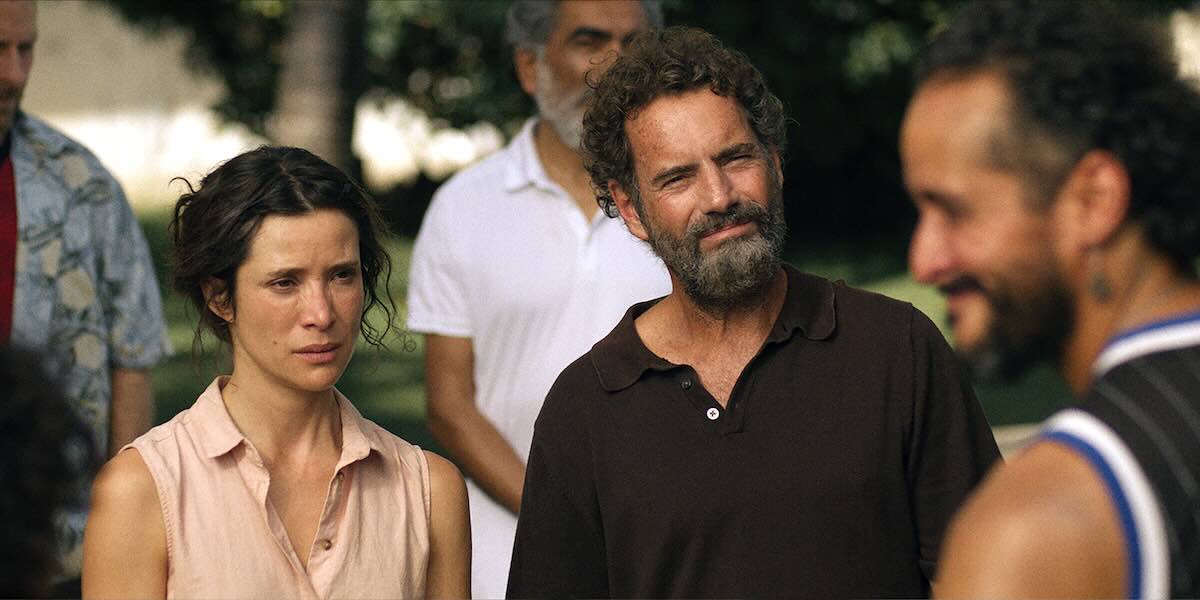
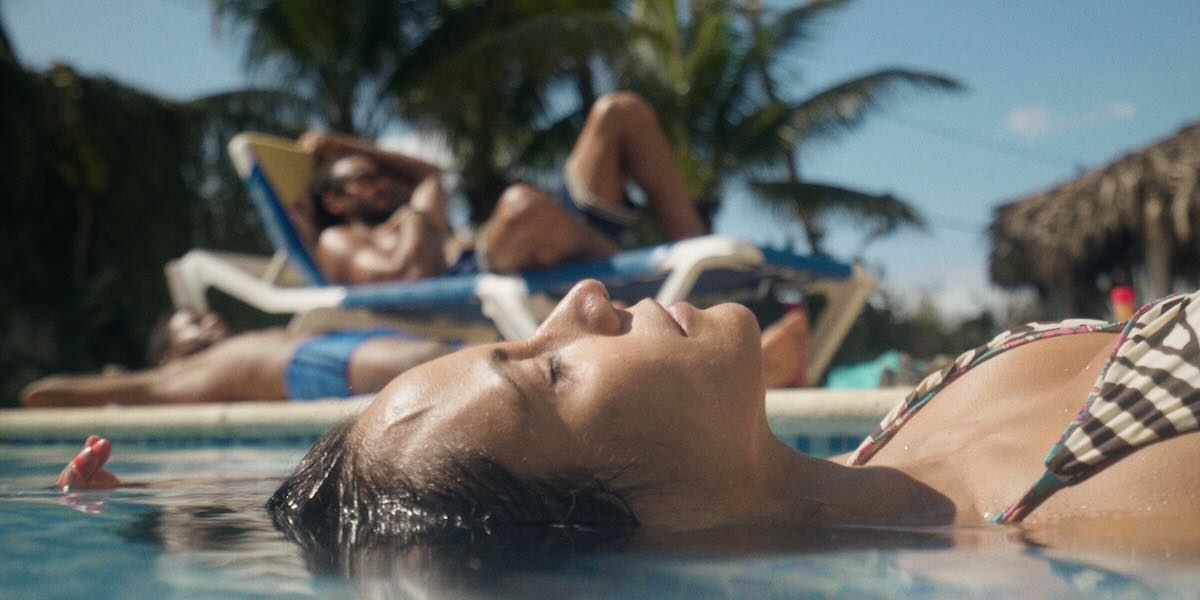
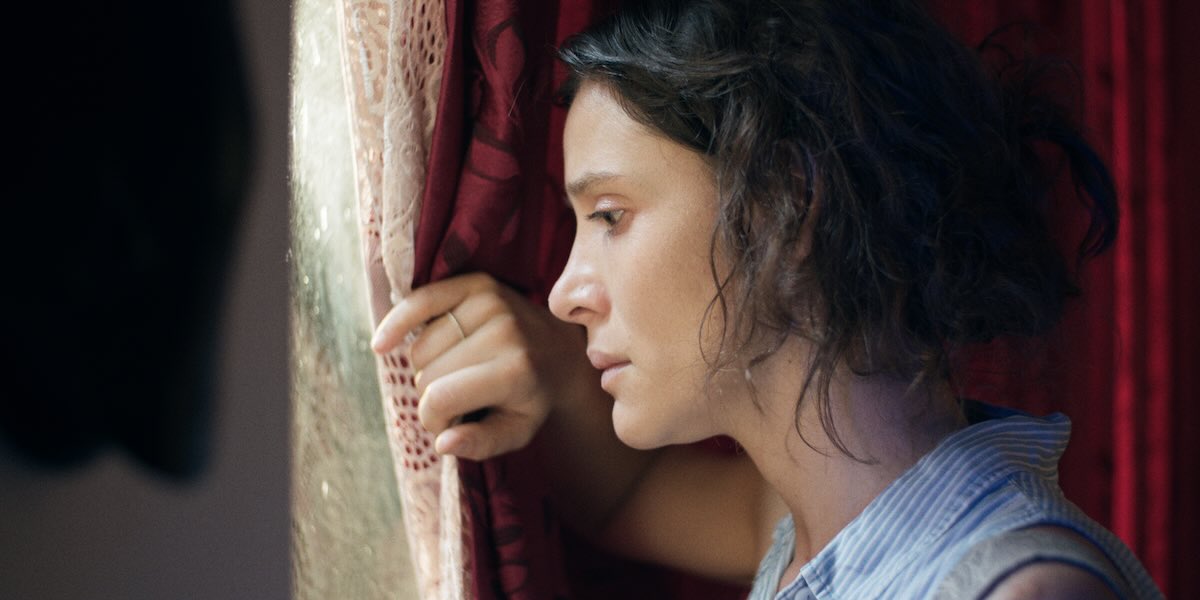
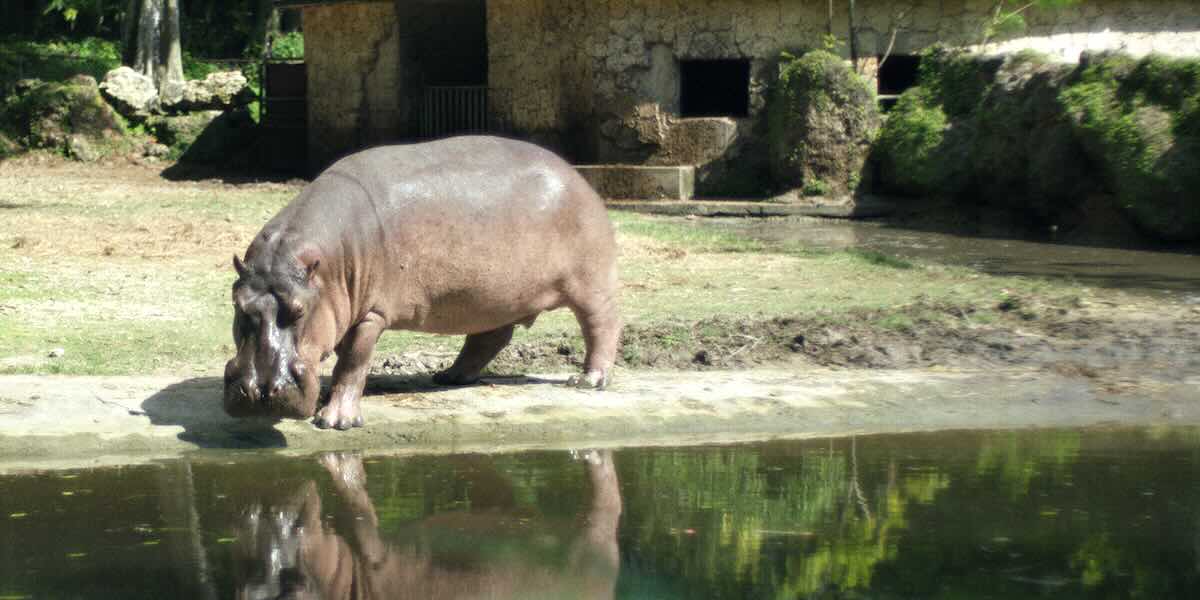
Set around a small, depopulated urban zoo, the arrival of the hippopotamus Zafari becomes a moment of shared fascination for neighbors from opposing social classes. From the windows of their once-luxurious but now decaying high-rise, Ana, Edgar, and their son Bruno observe the spectacle from a distance that mirrors their growing isolation. As shortages of food, water, and electricity intensify, the family is forced to confront increasingly dire choices: scavenging for survival or abandoning their home altogether. Ana’s nocturnal searches through abandoned apartments—punctuated by unsettling sounds and darkened corridors—render domestic space a site of fear and moral uncertainty.
Through this claustrophobic microcosm, Rondón constructs a powerful political allegory of inequality, hunger, and forced displacement. In a world where human beings starve, the well-fed hippopotamus emerges as a disturbing symbol of distorted abundance. Zafari offers rich material for the exploration of Latin American cinema, political allegory, migration studies, and the cinematic representation of social crisis in post-collapse societies.
Related Subjects
About the Director
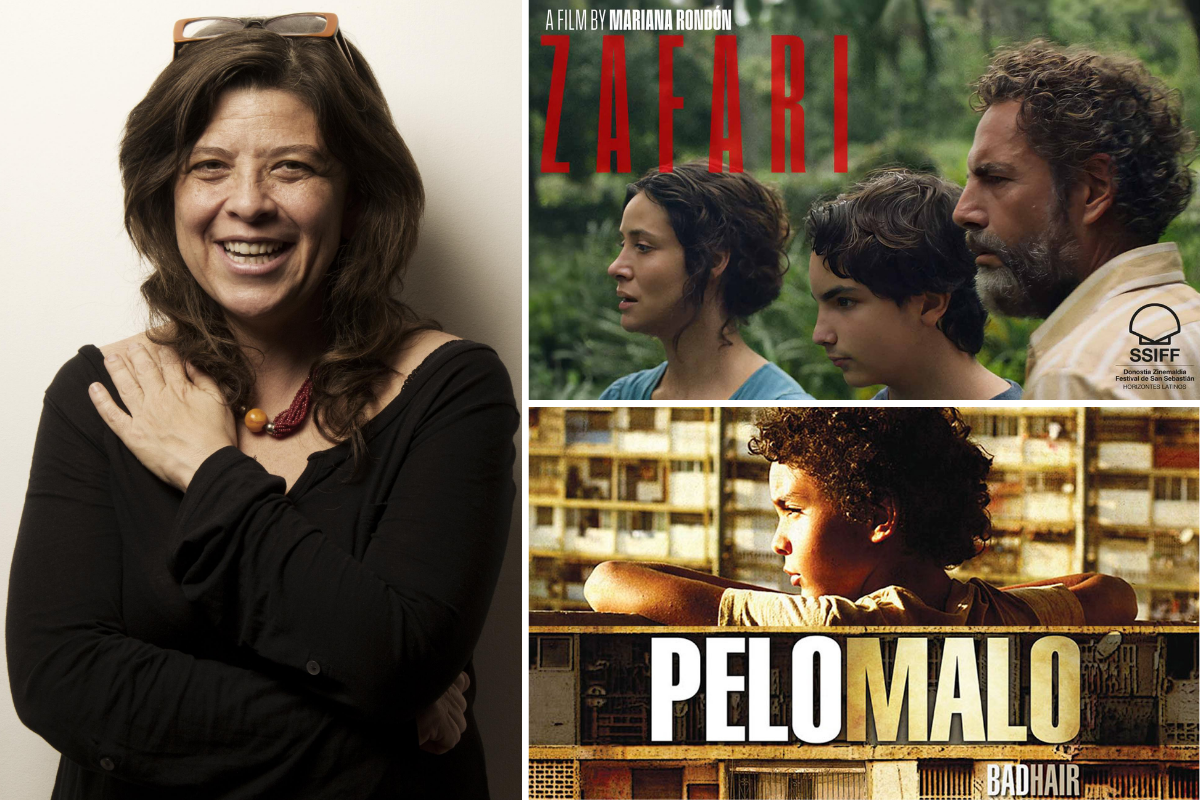
Mariana Rondón is a film director, screenwriter, and visual artist. She was born in Barquisimeto, Venezuela. After studying Animated Film in Paris, Rondón graduated from the Film School EICTV, Cuba. Her short film Street 22 received 22 international awards.
Available for Q&As, Masterclasses, and workshops upon request, in English or Spanish.
Book a Screen+Talk
Mariana’s first feature-length film, At Midnight and a Half (2000), co-directed by Marité Ugás, received 5 “Opera Prima” awards and participated in more than 40 international film festivals. Her next film, Postcards from Leningrad (2007), received 23 international awards, such as FIPRESCI at Kerala, Grand Prix at Biarritz, and Revelation Jury Award at the de São Paulo Festival.
Bad Hair (Pelo Malo, 2013) won the Golden Shell at the San Sebastián Film Festival, the Silver Alexander and FIPRESCI Awards at Thessaloniki, and the Astor Award in Mar del Plata, among 47 other awards. Her recent film Zafari premiered at the San Sebastian Film Festival in 2024. She is co-directing La Noche de San Juan, set to be released later in 2025.
In the plastic arts, Rondón’s robotics installation You Came With the Breeze (Fundación Telefónica Award) has been exhibited in Caracas, México City, Puebla, Gijón, Lima, Santiago, and Beijing as part of the Olympics Cultural Project, 2008. She is presently working on the Interactive installation Superbloques.
Press
“The film takes as its starting point a curious news story dating back to 2016 (the death of a hippopotamus in Caracas Zoo) to explore the disintegration of a luxury apartment block which acts a metaphor for modern-day Venezuelan society. ” – Roberto Oggiano, Cineuropa
“It is easy to sense where Venezuelan filmmaker Mariana Rondón, director of Bad Hair, draws the inspiration for this allegorical and dystopian multinational co-production. Her ambition clearly reaches beyond the borders of her home country. Zafari is a bold, punk-spirited look at a desperate upper class, paralyzed and incapable of reacting.” – Carlos Marañon, Cinemania
“When the cupboard is bare, a middle-class family in an unnamed Latin American country first goes hungry and then feral in ‘Zafari’, Mariana Rondon’s chilling dystopian fable that will put audiences off their dinner.” – Deborah Young, Film Verdict
“In [Mariana Rondón's] newest film, Zafari, the titular animal unites seemingly irreconcilable strangers and pushes them to reassess their moral limits, exposing the frailty of social class and societal mores in the face of extreme hardship.” – Ena Alvarado, Americas Quarterly
Notes on the Film
“As a scriptwriter, coming off Contactados (Marité Ugás, 2020), which was rooted in suspense, I felt the need to lean into genre again—not as a stylistic choice, but as a narrative necessity. Telling Zafari in a hyperrealistic way risked turning the story into something grotesque, miserabilist, even pornographic, by exposing a world in the process of decay so directly.
What genre allows—and what really matters to me—is the possibility of making the spectator feel something very close to what the characters are feeling. It pulls the viewer away from a purely reflective, intellectual position and places them in a visceral one, in the stomach. I wanted to see what sensations emerge when the body reacts first. Making the audience physically feel hunger felt essential to telling this story.
The music, composed by Peruvian violinist Pauchi Sasaki, plays a crucial role in building that sense of physical anguish. As the film progresses, the spectator begins to confront something we prefer not to think about: the survival of our ethical, moral, and human principles is deeply intertwined with sheer physical survival.
From early on, all the elements pointed toward taking a step into thriller territory, and even brushing against horror. This decision shaped everything: the cinematography, the choice of location—an old building in Lima, the Marsano, whose identical floors and corridors form a claustrophobic labyrinth—the sound design, and the post-production process. Every aspect worked toward creating the feeling of a closed, oppressive world. It was a long process of fine-tuning and equalization, searching patiently for the precise balance the film needed to find its true tone.”
– Mariana Rondón, Director