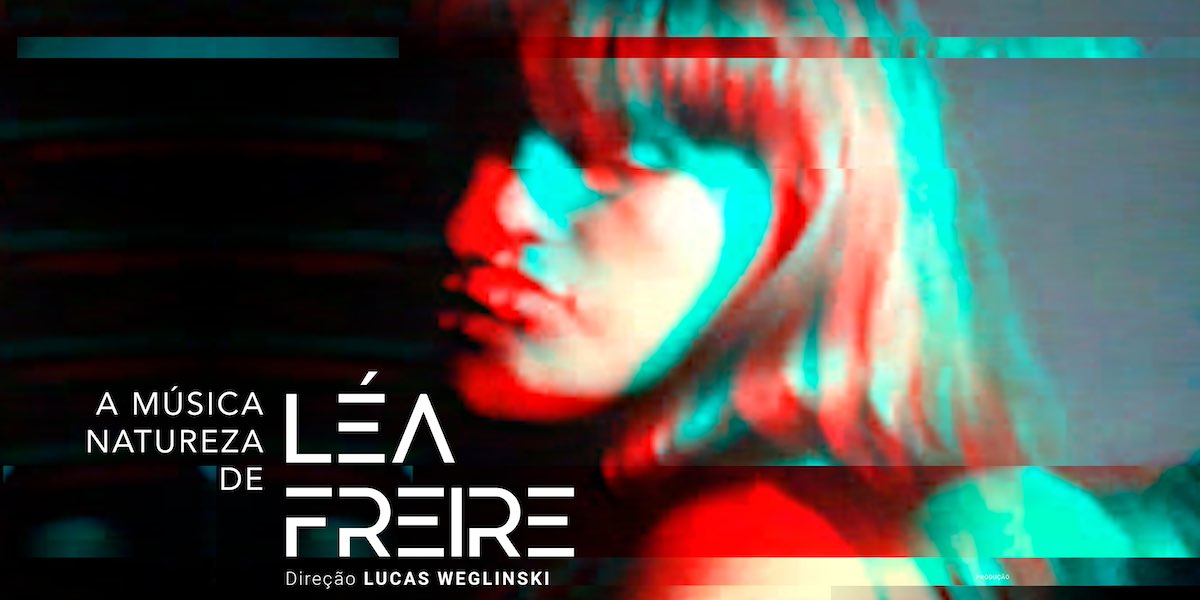
Nature Music
(A música natureza de Léa Freire)
Lucas Weglinski / Brazil / 2022 / 100 min
In-Edit International Film Festival Brasil
Visions du Réel
Roma International Film Festival
Seoul International Film Festival
Los Angeles Brazilian Film Festival
Tokyo International Film Festival
San Francisco Latino Film Festival
Pricing
Related Films
Miúcha, The Voice of Bossa Nova(Miúcha, a voz da bossa nova)Liliane Mutti, Daniel ZarvosWhy you must-see this film. Because, for the first time, the backstage story of the Bossa Nova movement is told from the female perspective, explaining ...
Bixa TravestyKiko Goifman, Claudia PriscillaThe female trans*body becomes a political means of expression in both public and private spaces. The black, transgender singer Linn da Quebrada ...
Kobra Self-Portrait(Kobra Auto-retrato)Lina ChamieA portrait of the multifaceted life of Eduardo Kobra, a renowned Brazilian street artist whose journey unfolds between reality and reverie. The film ...
Mafifa(Mafifa)Daniela Muñoz BarrosoFilmmaker Daniela Muñoz Barroso, nearly deaf and relying on her eyes as much as her ears, embarks on a journey to Santiago de Cuba to uncover the legacy ...
Rebellion(Rebelión)José Luis Rugeles GarcíaA powerful biographical drama, Rebellion explores the life, legacy, and inner turmoil of Álvaro José “Joe” Arroyo, one of the most ...Synopsis
Portuguese with English and Spanish subtitles
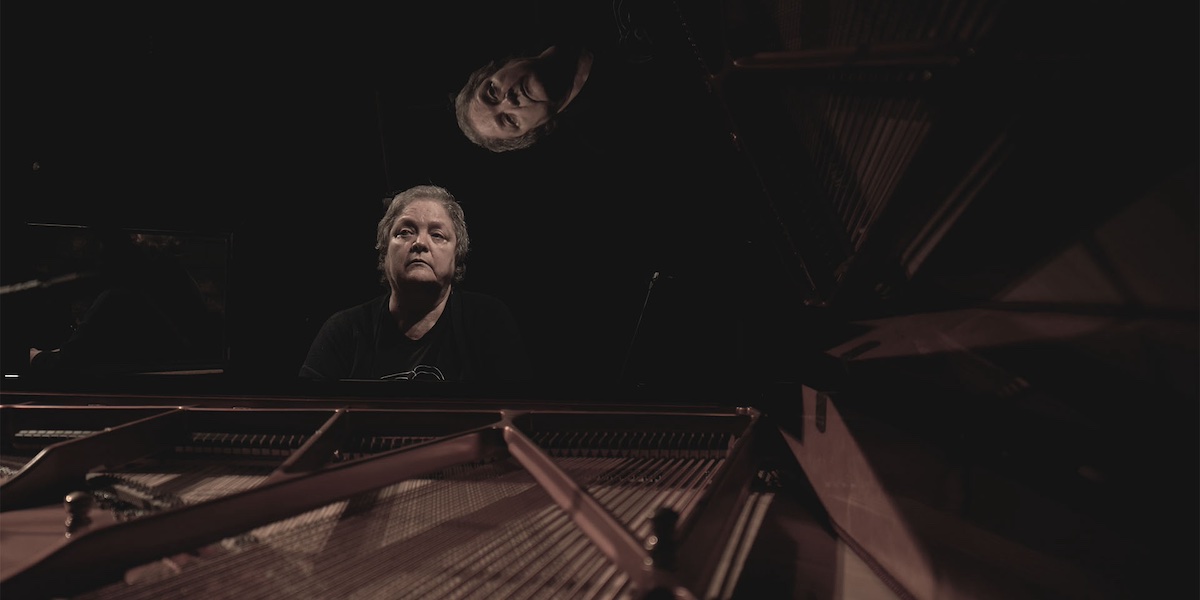
With Léa Freire
Masculine nicknames haunt Léa Freire: “the contemporary Villa-Lobos,” “the new Tom Jobim,” “Hermeto in skirts.” An exceptional woman, an instrumentalist, jazz improviser, arranger, and symphonic composer, she inhabits musical universes still largely dominated by men. Léa confronts prejudice head-on, breaking the boundaries between classical and popular music to create a sound that is unmistakably Brazilian yet profoundly universal.
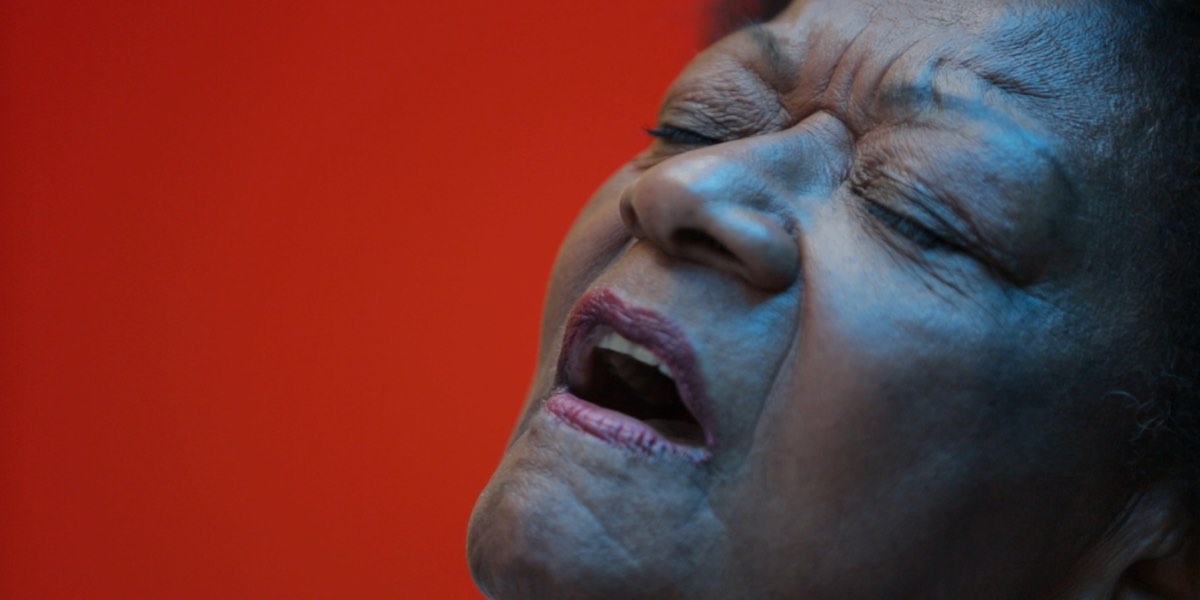
In Nature Music, iconic figures of Brazilian music, legends of jazz, and a vibrant new generation of women musicians reflect on Léa’s influence — her creative power, her generosity, and the joys, struggles, and challenges of being a woman in music. Even today.
Directed by Lucas Weglinski, Nature Music is both a portrait and a celebration of a woman’s voice reshaping the sound of music.
Related Subjects
About the Director
Weglinski has worked across directing, writing, editing, and producing. Among his most notable works as a director are Nature Music (2022) — a powerful portrait of composer and instrumentalist Léa Freire and her artistic journey — and Máquina do Desejo: Os 60 Anos do Teatro Oficina (2021), co-directed with Joaquim Castro, which reconstructs six decades of history of the legendary Brazilian theatre group Teatro Oficina.
He has also produced numerous films across formats, with a portfolio that includes more than 20 short films, 2 web series, and multiple feature-length projects. His works have been showcased in major international festivals such as Cannes, Sundance, Havana, Guadalajara, and the most prominent film festivals in Brazil.
Press
“A star of Brazilian instrumental music, Léa Freire's artistic magnitude and surprising career are revealed in the film Nature Music.” – Revista Prosa Verso e Arte
Notes on the Film
“This film was miraculously made with the meager Covid Emergency Aid Fund, known as the Aldir Blanc Law, with immense effort and wholehearted dedication. For we believe that our culture is our memory, and we must always remember our elders, the first ones, who are often criminally erased from our history.
In this film, we salute the often ignored or forgotten roots of Brazilian music, whether instrumental or symphonic. It is essential that we celebrate its ancestry, the source of the waters drunk by Léa Freire: Filó Machado, Alaíde Costa, Johnny Alf, Originais do Samba, Regional do Evandro, Manezinho da Flauta, in short, musicians ahead of their time, innovators who challenged social and aesthetic standards and founded a new Brazilian music scene, and who should be remembered with all the glory they deserve. Let us just be historically fair.
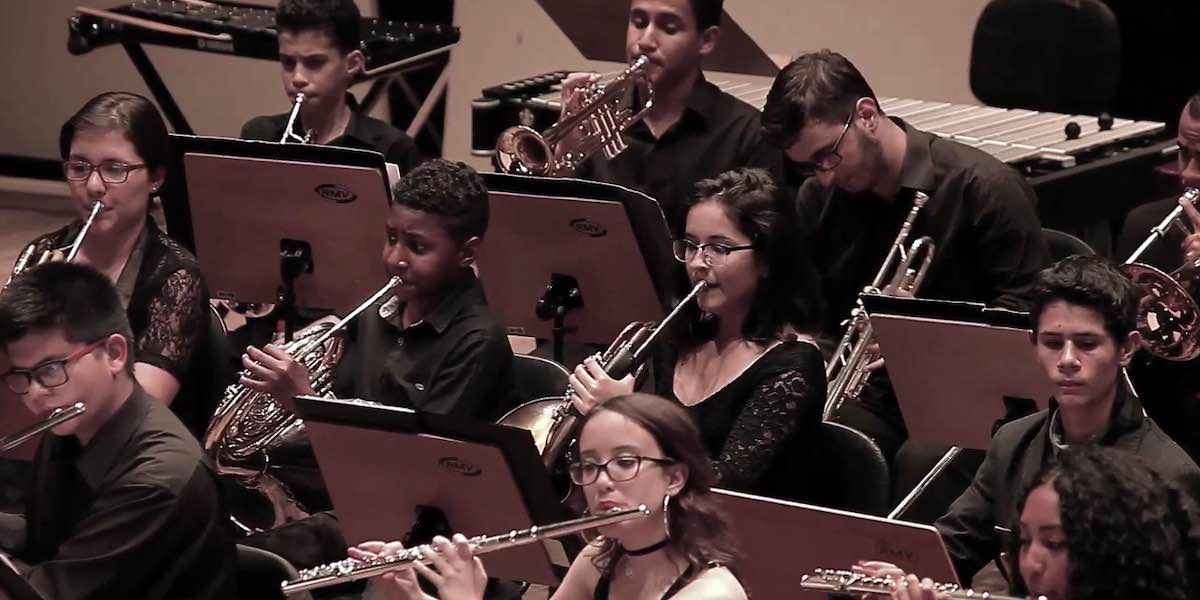
Although music is the protagonist, this film has some messages beyond music. We talk about FEBEM (Children’s Prison) but also about Projeto Guri, and we ask: what kind of Brazil do we want? What imprisons poor children or what creates public vocational music schools so that our children can fly wherever they want in the world, such as the Berlin Symphony Orchestra, which is mentioned in the film.
We talk about the erasure of women from our history, especially when they are creators, inventors of new languages and new forms. We also talk about the Afro-Brazilian origins of all Brazilian music, including symphonic music. We rescue characters who have been conveniently ‘forgotten’. This film is a film about Brazil, its richness, its pains, and its delights. The music and life of this artist is just a way for us to talk about our culture, our roots, our land. As they say, if you want to make a film about the post office, tell the story of a letter.
Against all odds and statistics, we present Nature Music, a feature film that aims to overflow with beauty and poetry in these violent times we live in. Finally, this is not a musical film, nor is it a film ‘about music, for musicians’. It is a film for everyone, with a profound script, research, editing, photography, and sound: the foundations and fundamentals of cinema and what characterizes it as its own language, different from television and journalism. Cinema.”
– Lucas Weglinski, director