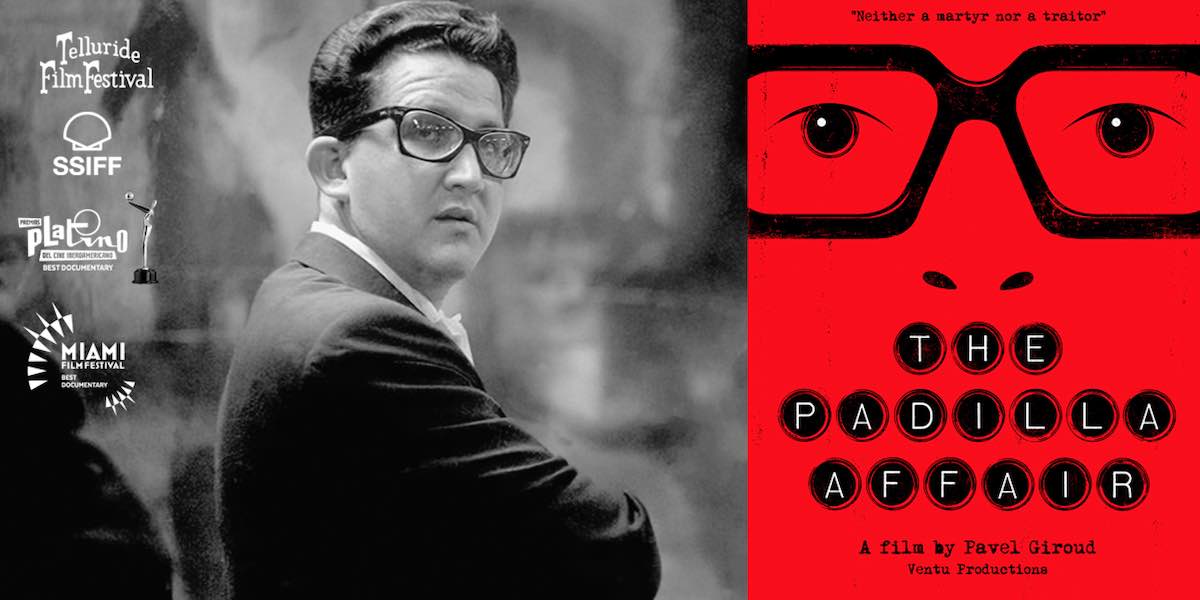
• Telluride Film Festival

  • Miami Int'l Film Festival

    Best Documentary
  • Platino Awards

    Best Documentary
  • Cinema Writers Circle Awards Spain

    Nominee Best Documentary
  • Costa Rica Int'l Film Festival

    Best Feature of Central America and the Caribbeans
  • San Sebastian Int'l Film Festival

    Horizontes Award Nominee
  • It's All True Doc Film Festival

    Best Feature Nominee
  • José María Forqué Awards

    Best Documentary Nominee
Synopsis

Spanish with English subtitles

With Heberto Padilla, Gabriel García Márquez, Julio Cortázar, Mario Vargas Llosa, Jean-Paul Sartre, Jorge Edwards, Carlos Fuentes, Fidel Castro

Using real footage smuggled out of Cuba in a way director Pavel Giroud declines to reveal, The Padilla Affair was described as “the most original documentary of the year” by film critic Ruby Rich.

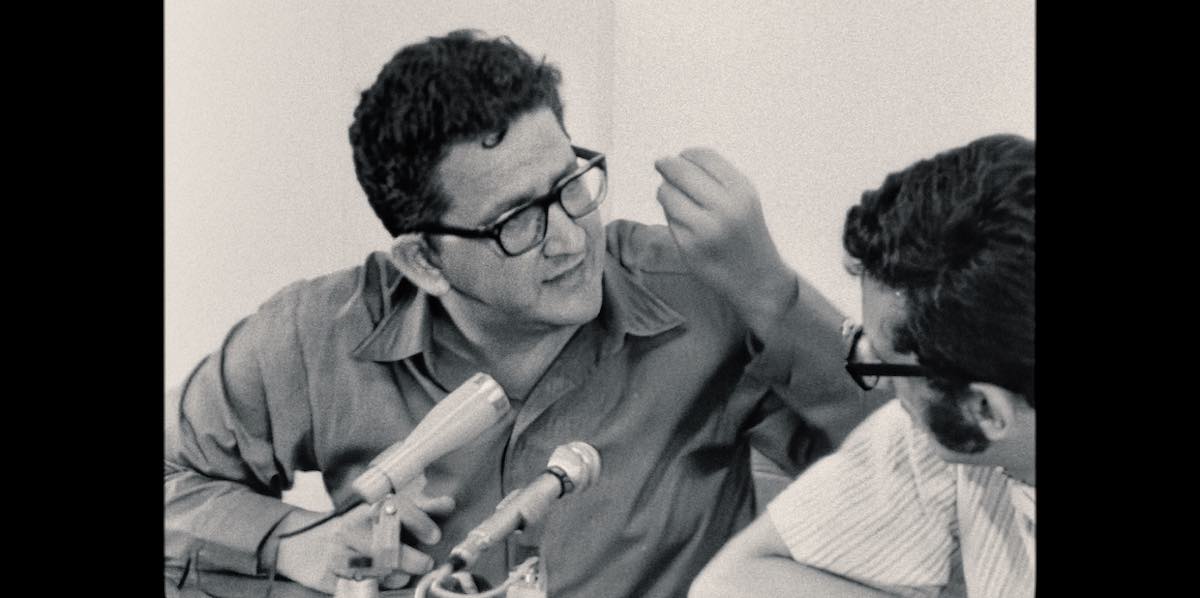
In the spring of 1971, in Havana, poet Heberto Padilla was released from prison and attended a meeting of the Cuban Writers’ Guild. During the gathering, he delivered what he described as a “heartfelt self-criticism,” admitting to being a counterrevolutionary agent and accusing many colleagues, including his wife, of the same offense.

Just a month earlier, Padilla’s arrest on charges of endangering the security of the Cuban state had sparked a global response from the intellectual community. Supporters, who had previously sympathized with Fidel Castro, leader of the Cuban Revolution, wrote a letter demanding the poet’s freedom. Padilla’s only “sin” was expressing dissent and criticism through his poetry.

The Padilla Affair, punctuated by interventions from Gabriel García Márquez, Julio Cortázar, Mario Vargas Llosa, Jean-Paul Sartre, Jorge Edwards, Carlos Fuentes, and Fidel Castro, stands as an astonishing documentary. It provides a window into facets of Cuba’s history that continue to resonate today.

About the Director
Pavel Giroud was born in Havana. His films have been designated as the Cuban entry for Best Foreign Picture on two occasions, and have received nominations for the Goya, Platino, and José María Forqué Awards.

Pavel Giraud - The Companion - The Padilla Affair

Organize a Q&A, masterclass, workshop, etc.

Book a Screen+Talk


A graduate of Havana’s Instituto Superior de Diseño, Pavel Giroud started as a visual and video artist. He soon started working as a director of commercials and, encouraged by those who saw in him a gifted storyteller, he decided to give cinema a try. As he gained recognition for his short films, he was asked to direct music videos, and again, he jumped at this new opportunity.

Pavel Giroud’s first feature, The Silly Age (2006), was selected as Best Cuban Film of the Year by the Cuban Critics Association. Other credits include Three Times Two (2004), Playing Lecouna (2015), and The Companion (2016), which won the Best Project Award at San Sebastian’s Europe-Latin America Co-Production Forum for its screenplay.

His sixth film, The Padilla Affair (2022), explores poet Heberto Padilla’s release from prison and his participation in a Cuban writers’ guild meeting where he describes himself as a counterrevolutionary agent and accuses many colleagues, including his wife, of the same offense.

Press

“Highly recommended. Extraordinary footage makes The Padilla Affair a must-see for anyone interested in censorship, intellectualism under totalitarianism, Latin American literature, and Cuban society and politics under the Revolution.” – Susannah Benedetti, Associate Director, University of North Carolina Wilmington, EMRO

“The filmmaker manages to turn the viewer into a detective and editor of the film. Has Heberto Padilla been brainwashed? Pure manipulation? Survival? Real change of heart? The Padilla Affair refuses to remain silent in the face of the injustices of any regime disrespectful of true democracy and the necessary freedom of creation. Pure and raw cinema depicting reality.” – Carlos Loureda, Fotogramas

The Padilla Affair is beautiful and chilling, and as historical as it is contemporary. It may well be the most original documentary of the year.” – Ruby Rich, Film Quaterly

“A fascinating and grotesque political theater, as a histrionic poet, hitting key beats – his selfishness, smugness and vanity – proves incapable of avoiding contradictions while calling on his dissident friends, including his own wife, writer Belka Cuza Malé, to come to the table and recant with him.” – John Hopewell, Variety

“The unedited footage of Padilla’s self-criticism— it is truly horrifying. Giroud further supplements Padilla’s punishing speech with archival news and interview footage that adds relevant context, drawn straight from other primary sources. Very highly recommended.” – J.B. Spins

“A luminous and at the same time disturbing portrait, exposing one of the darkest episodes in exercising totalitarianism.” – Alejandro Alemán, El Universal

“Director Pavel Giroud reconstructs and uncovers, with sharp lucidity, one of the worst totalitarian charades in the intellectual history of our continent. ” – Ernesto Diezmartinez, Letras Libres

“A very harsh and disturbing portrait of fear.” – Elsa Fernández Santos, El Pais

Notes on the Film

“The origin of the tape containing Heberto Padilla’s self-criticism is a tale deserving its own film, though not the focus of this one. Initially uninterested in the footage, I later realized its significance, particularly having not read Padilla’s works. With the onset of the Covid pandemic and a surge in repression against journalists and artists in my home country, I found a connection between 1971 and the present day.

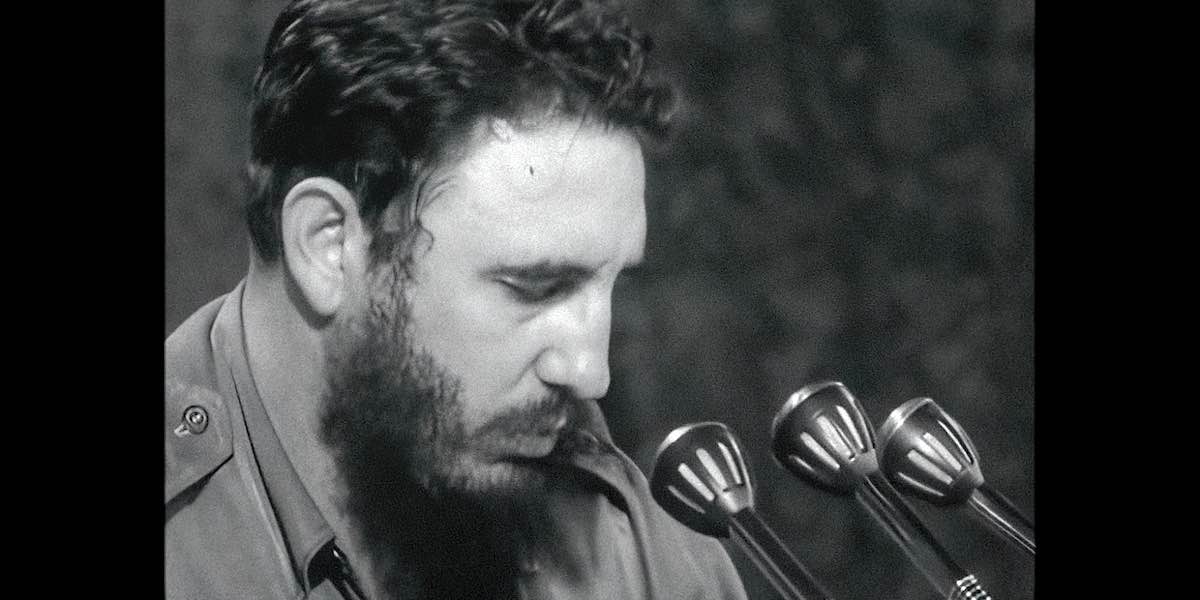
Driven by the desire to “tell” rather than “reinvent” the story, I committed to using only archival footage. Despite numerous willing witnesses globally, I opted not to conduct interviews, seeking instead to present a wise and collected perspective over time. My extensive research during the pandemic, accessing new online resources like the CIA archives and USSR film archives, allowed me to delve into Fidel Castro’s speeches and uncover a historical document locked away in Cuban archives for half a century.

This film stands as a testament to historical truths, challenging perceptions of the Cuban Revolution, supported by a document that remained hidden for decades. It serves as an eye-opener, prompting some to reconsider their views on the so-called Cuban Revolution.”

– Pavel Giroud, Director