Indigo
(Añil)
Julio López Fernández / Mexico, El Salvador / 2023 / 65 min
WRPN Women’s Int'l Film Festival
Award of Excellence in DocumentaryChicago Latino Film Festival
Best DocumentaryÍcaro Int'l Film Festival in Central America
Best Central American DocumentaryBerlin Indie Film Festival
Best War Theme FilmNew York Film Festival
Hispanic Int'l Film Festival
Exceptional Merit AwardOur Vision Caribbean and Latino Film Festival
Denver Monthly Film Awards
Pricing
Related Films
 Ama-DasMarga Gutiérrez DiezIdoia, Pili, Rosa, and Emma, four women with disabilities, attend an empowering workshop where they will work out to build their self-esteem, giving them ...
 Night Shot(Visión Nocturna)Carolina Moscoso BriceñoEight years after being raped on a beach near Santiago, a young filmmaker arms a kaleidoscope with dozens of video diaries, showing the wounds of the ...
 LuchadorasPaola Calvo, Patrick JasimLuchadoras provides an intimate glimpse into the lives of three resilient female wrestlers in Ciudad Juárez, Mexico, who courageously challenge ...
 The Metal Stork(La cigüeña metálica)Joan Lòpez LloretTwenty years have passed since the signing of the Peace Accords that ended the civil war in El Salvador (1980-92), a conflict in which the army and the ...
 The Offended(Los Ofendidos)Marcela ZamoraAn award-winning documentary on the legacy of the internal armed conflict in El Salvador, The Offended features the director’s charismatic father, ...
Synopsis
Spanish with English subtitles
With Emy Mena, Larissa Maltez, Lilibeth Rivas
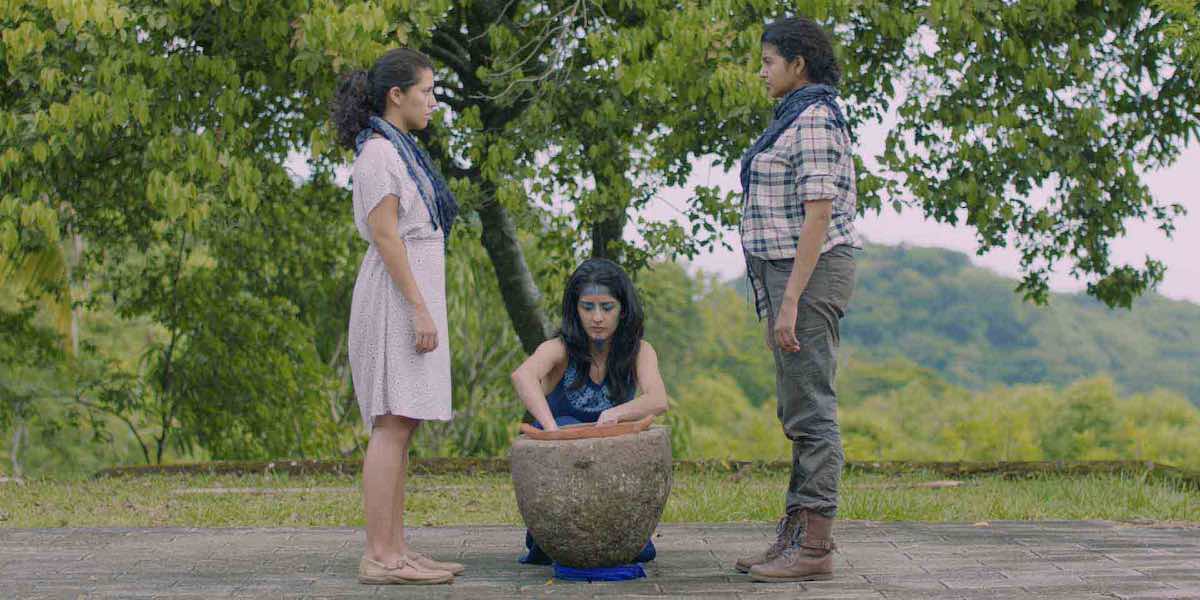
In this powerful hybrid documentary, filmmaker Julio López Fernández weaves together the testimonies of women who endured sexual violence during the Salvadoran Civil War with evocative reenactments, performance art, and historical reflections on the color indigo. Guided by the research of Dr. Paula Cuellar Cuellar, the film re-creates the harrowing stories of two women, brought to life by three young actresses. Their performances break the silence surrounding these atrocities, seeking justice for the unheard and healing for wounds that remain unclosed.
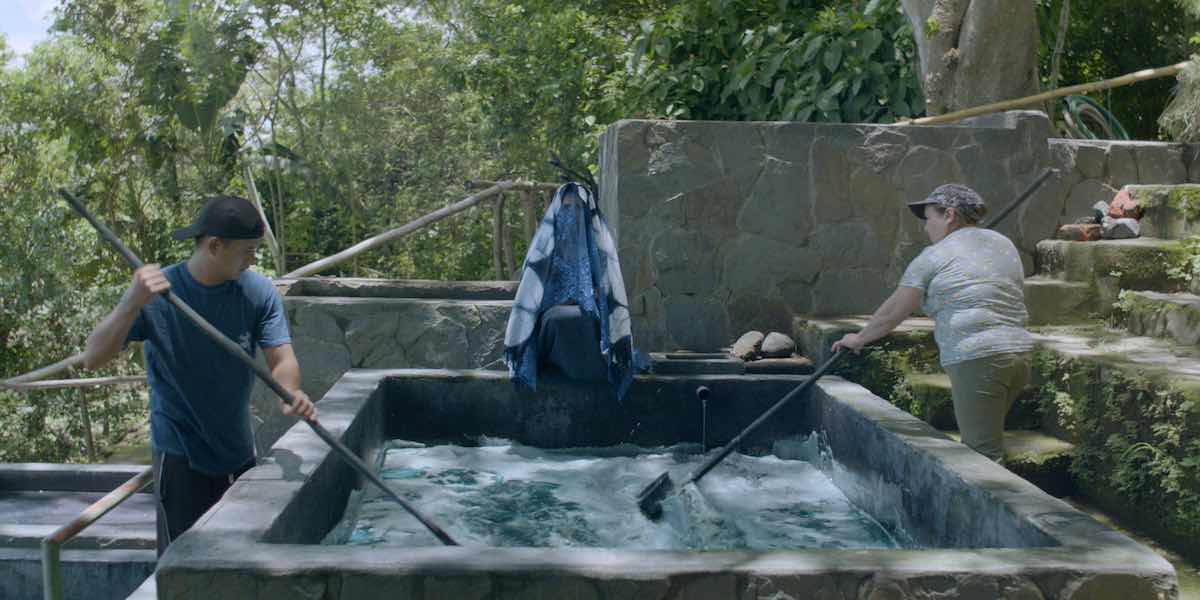
The narrative transcends individual suffering to explore the broader exploitation of El Salvador’s land and people. Indigo, or xiuquilit—the “blue gold” that shaped the country’s economy and identity—serves as a metaphor for resilience in the face of violence and upheaval. Tracing the sacred plant’s history from its Mayan roots to its role in defining national borders, the film poignantly juxtaposes the destruction of natural and human life with the enduring spirit of a people striving to reclaim their stories.
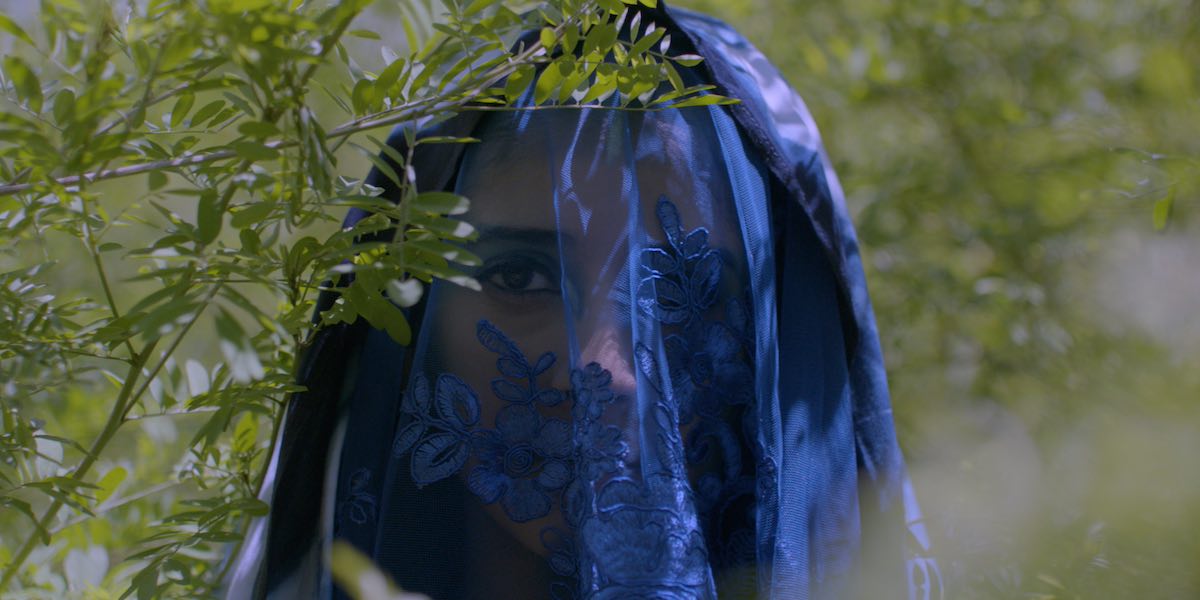
At its heart, this fable imagines an indigo spirit who, upon discovering the unhealed wounds of the past, calls upon the actresses to tell these stories—reminding us that only by confronting the truth can a nation begin to heal.
Related Subjects
About the Director
His production credits include award-winning films such as The Room of Bones (2015), The Offended (2016), and Comandos (2017) by Marcela Zamora; The Swirl (2016) by Laura Herrero; Heiress of the Wind (2017) by Gloria Carrión; Se va la vida, compañera (2018) by Mariana Rivera; and the short Absences (2015) by Tatiana Huezo. These works have premiered at esteemed international festivals like HotDocs, Locarno IFF, Visions du Réel, DocsBarcelona, Ji.hlava IDFF, Ambulante, and DocsDF.
López has been selected for prominent filmmaker programs, including Berlinale Talent Campus, Ji.hlava Emerging Producers, IDFAcademy, and Festival Ícaro. He leads two production companies: Kino Glaz (El Salvador) and Cine Murciélago (Mexico).
Press
“Indigo discusses security and guerilla forces’ rape of women in El Salvador amid armed conflict.” – Sara Coughlin, The Bowdoin Orient
“A documentary that is undoubtedly important for the new generations of Central Americans dare to watch and analyze.” – Guillermo Fernández Ampie, Humanismo y Cambio Social Magazine
Notes on the Film
“Añil (Indigo) is a powerful film that sheds light on the untold stories of women who endured rape during the Salvadoran civil war at the hands of the security and guerrilla forces. Through the voices of two survivors, this documentary captures their resilience and determination to break the silence surrounding these crimes. The film, a metaphorical journey of song, dance, and acting, confronts the state’s failure to acknowledge and investigate these atrocities even after more than 30 years. Since the perpetration of these crimes has been usually overlooked, underreported, or neglected during the transitional justice processes in Latin America, Indigo has sparked vital conversations about women and warfare, historical narratives, the power of testimonies, and healing.”