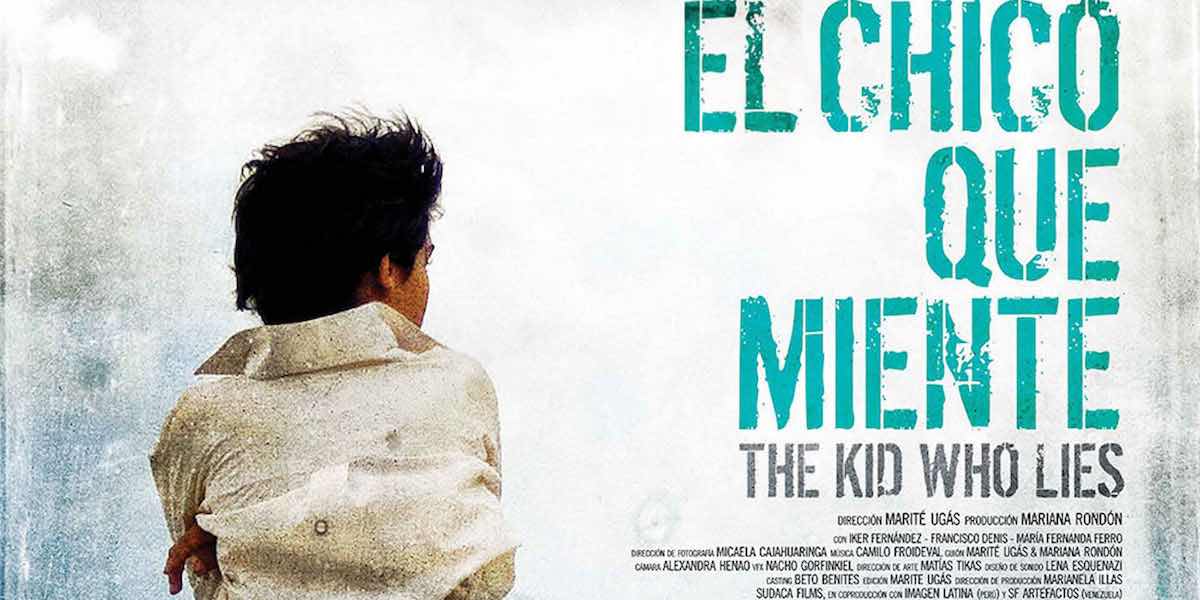
The Kid Who Lies
(El Chico que miente)
Marité Ugás / Venezuela / 2010 / 99 min
Berlinale
GenerationInternational Film Festival of Guadalajara
International Film Festival of Viña del Mar, Chile
Jury AwardInternational Festival of New Latin American Cinema of Havana
Best ScriptSan Juan´s Film Festival, Puerto Rico
Best FilmFlanders Latino Film Festival, Belgium
Best FilmChicago International Film Festival
American Film Institute, Washington
MOMA Ibero American Images
Pricing

Related Films
7 Boxes(7 Cajas)Juan Carlos Maneglia & Tana SchémboriIt’s Friday night in Asunción, Paraguay, and the temperature is sweltering. Víctor, a 17-year-old wheelbarrow delivery boy, dreams of fame and owning ...
Atempa, Dreams by the River(Atempa, Sueños a la Orilla del Rio)Edson J. Caballero TrujilloTino dreams of becoming a “Muxe Queen”. Though born into a male body, as Tino enters adolescence, she begins to dress as a woman and embrace her ...
Bad Hair(Pelo Malo)Mariana RondónA nine-year-old boy’s preening obsession with straightening his hair elicits a tidal wave of homophobic panic in his hard-working mother, in this ...
Black Bread(Pa Negre)Agustí VillarongaThe Spanish selection for the 89th Academy Awards for Best Foreign Film, Black Bread is set in the war-ravaged Catalan countryside of the early 1940s ...
City Of God – Ten Years Later(Cidade de Deus -10 anos depois )Cavi Borges , Luciano Vidigal City of God – 10 Years Later investigates the fate of the young actors who participated in the award winning film City of God, directed by Fernando ...Synopsis
In Spanish with English subtitles
With Iker Fernández, Francisco Denis, Beatriz Vásquez, Laureano Olivares, Maria Fernanda Ferro, Dimas González, Gladys Prince, Aldry Streling, Yugui López, Beto Benites, Valerie Walheim
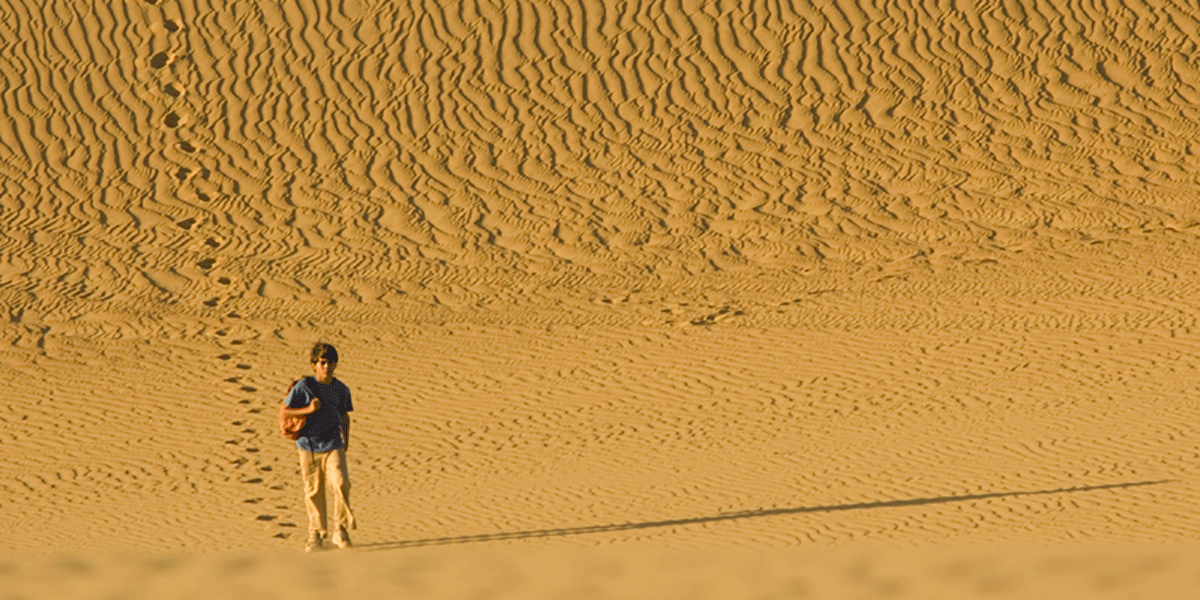
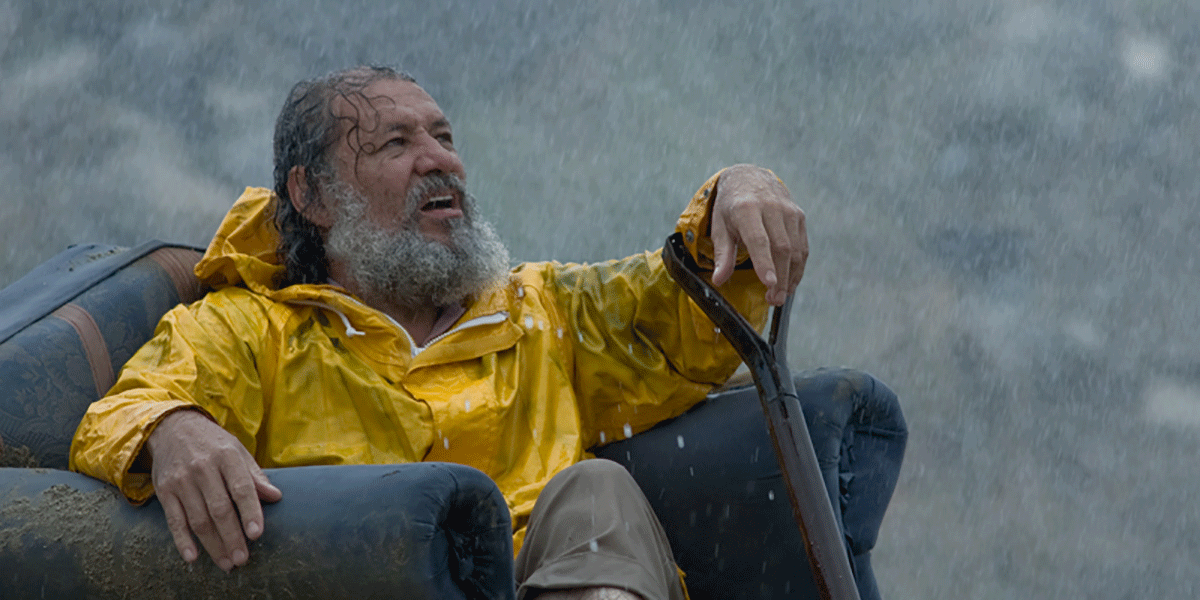
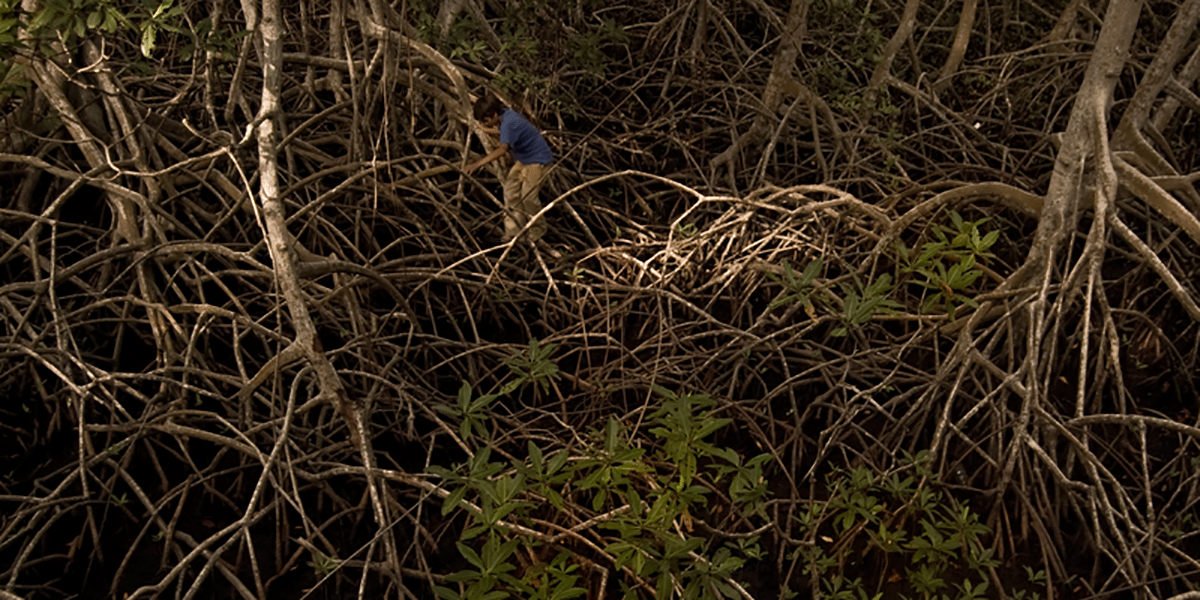
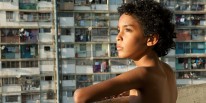
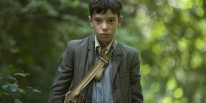
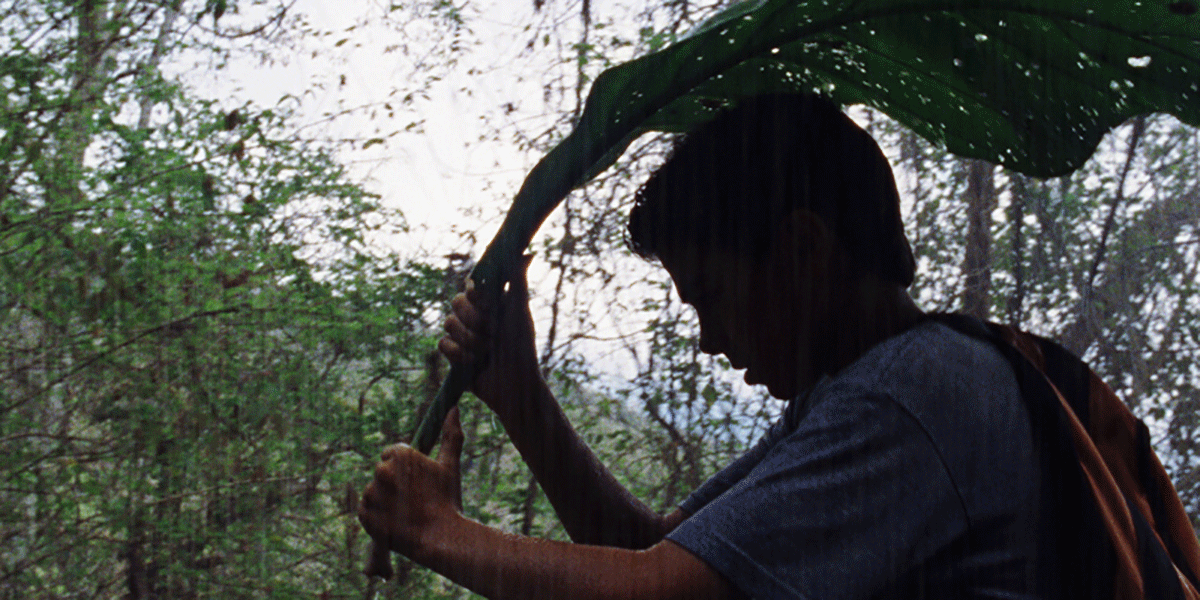
A 13-year-old boy leaves his home and starts a journey along the Venezuelan coast. In order to survive, he captivates people by telling them riveting tales from the “Mudslide Tragedy.” Sometimes he weaves a story of how he’s rescued by his mother, who sacrifices herself to save him; other times, it’s his father who dies. These fractured stories, however, begin to reveal some of the truth, and his past becomes clearer.
Ten years ago, a mudslide tore his world apart. Many disappeared, his mother among them. Now the memories, carefully crafted and passed on by his father, contradict each other and push him to search for his own story.
He has a difficult road ahead of him, where he will also wrestle with his own universe of affections and feelings. While crossing the desert, the boy doesn’t know whether to laugh or cry, but the crack in his soul is starting to heal.
Related Subjects
About the Director

Available for Q&As, Masterclasses, and workshops upon request, in English or Spanish.
Book a Screen+Talk
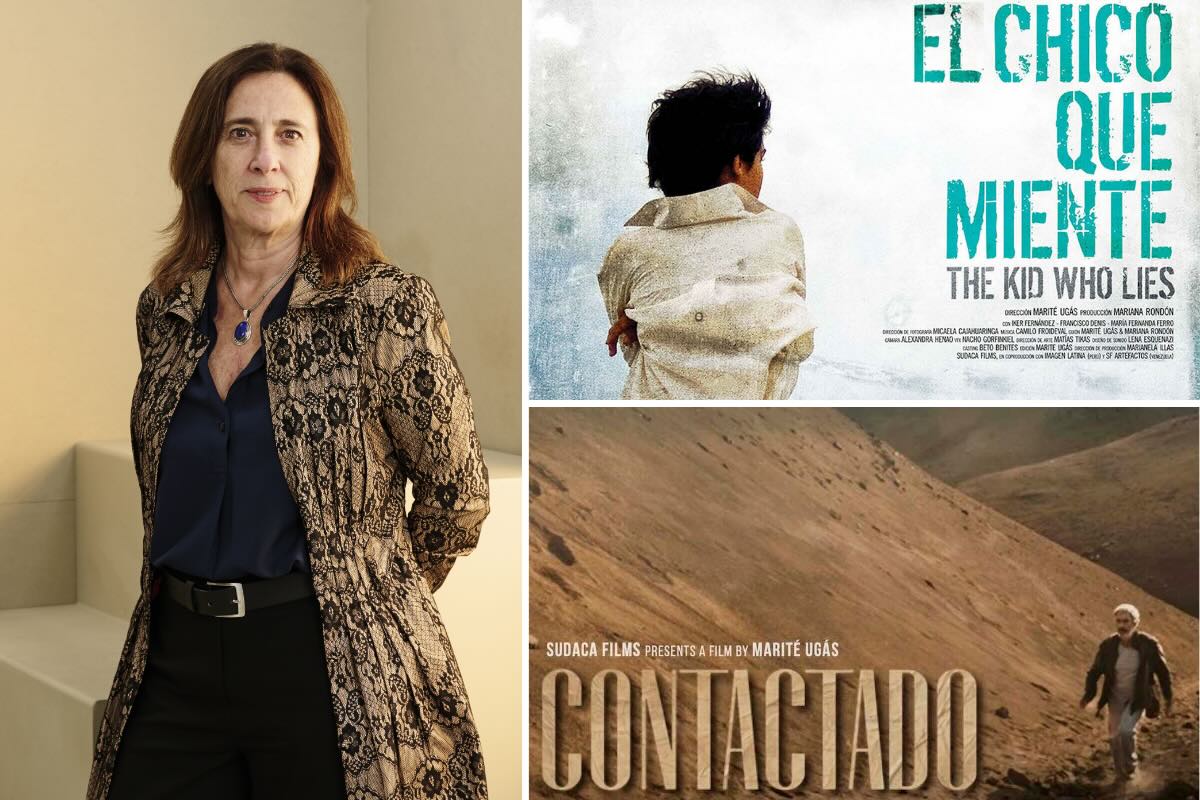
Her first short films Something Falling Into Silence and Cotidiano were awarded in New York, Bilbao, Maryland, and Rome. Her first feature film, At Midnight and a Half (1999), co-directed with Mariana Rondón, was released at the Tokyo Film Festival and was shown in more than 40 international film festivals, receiving several Opera Prima Awards. During 2003 she wrote and directed 7 telefilms for Postdata, which screened at HBO Latino. Her second feature, The Kid Who Lies, premiered at Berlinale-Generation and received 10 international awards.
Later, she co-founded a long-standing creative partnership with Mariana Rondón at Sudaca Films, where she has produced, co-written, and edited several acclaimed works. Together they developed and produced Postcards from Leningrad and Bad Hair, the latter awarded the Golden Shell at the San Sebastián International Film Festival and widely recognized at festivals around the world. Continuing this collaboration, Ugás produced and co-wrote Zafari, a dystopian feature that explores contemporary Venezuela through a hybrid of genre and social realism.
As a director, she went on to make Contactado, a feature that follows an aging cult leader confronted with faith, memory, and the possibility of reinvention, consolidating her interest in intimate portraits against complex social backdrops. More recently, she has continued to develop new projects that extend her exploration of migration, fear, and belonging, maintaining an active role in Latin American independent cinema as a filmmaker and as a driving force behind Sudaca Films’ slate of socially engaged works.
Press
“Director Marite Ugas uses the intimate -- but only intermittently engaging -- tale of a young runaway as metaphor for those still suffering from the 1999 Vargas mudslides, a natural disaster that claimed more than 10,000 victims.” – Peter Debruge, VARIETY
Notes on the Film
The Kid who Lies has its origins on a natural disaster that took place in Venezuela in December 1999, which was very symbolic: “The end of an era.” “The destruction of a world.” “The emergence of a new world.” The mudslide mantled a whole coastal landscape in Venezuela, close to an important oil port, and just 20 minutes away from Caracas. The town was destroyed, many people died, and the survivors were isolated and disoriented. This tragedy took place on a day of elections that would give political ratification to Hugo Chávez’s claim to the presidency.
Chavez’ followers considered this to be the beginning of a new world, while for his opponents the event was the end of an era. It has been fifteen years since the tragedy took place, and nothing has changed.
The fragmented structure of this road-movie will gradually bring the Kid’s decision to undertake this journey. While the leitmotiv of the journey rests in lies, the Kid creates a system of multiple stories that interlinks with each other and supplants the real world. The climax will not come with The Kid reaching his goal; it is only the confirmation that lying and inventing one’s own past is a wise intuitive move that will enable one to survive and return to the starting point.