We Are Fire
(We Are Fire)
Karen Vázquez Guadarrama / Belgium, Luxembourg / 2021 / 53 min
Filem'On Int'l Film Festival for Young Audiences
ECFA Doc AwardDoxs! – Documentary Films for Children and Adolescents
Youth Jury Special MentionDokumentale - Int'l Documentary and Media Festival Berlin
Film Fest Gent
Int'l Film Festival and Forum on Human Rights Geneva
DOC NYC
Pricing
Related Films
 LuchadorasPaola Calvo, Patrick JasimLuchadoras provides an intimate glimpse into the lives of three resilient female wrestlers in Ciudad Juárez, Mexico, who courageously challenge ...
 Now That We Are Together(Ahora que estamos juntas)Patricia Balderas CastroAfter an unexpected encounter with a group of women determined to reclaim the streets, Patricia embarks on an intimate yet collective journey to confront ...
 Marea Verde: The Road to the Law(Marea verde: La lucha por el aborto legal)Ángel Giovanni HoyosAcross South America, there are cries for legal, safe, and free abortion. Marea Verde follows mothers, grandmothers, sisters, friends, workers, ...
 A Rebellion for Love(Un amor en rebeldía)Tania Claudia CastilloIn the late 1970s, Yan María Castro embarked on a pioneering endeavor by establishing the inaugural lesbian-feminist group in Mexico. Operating within ...
 ROLE & ROLE(ROL & ROL)Chus GutiérrezRole & Role offers a thought-provoking exploration of the influence of media, advertising, and fiction on the creation of female role models and ...
Synopsis
Spanish with English subtitles
With Mariana Lorenzo "Mar Maremoto"
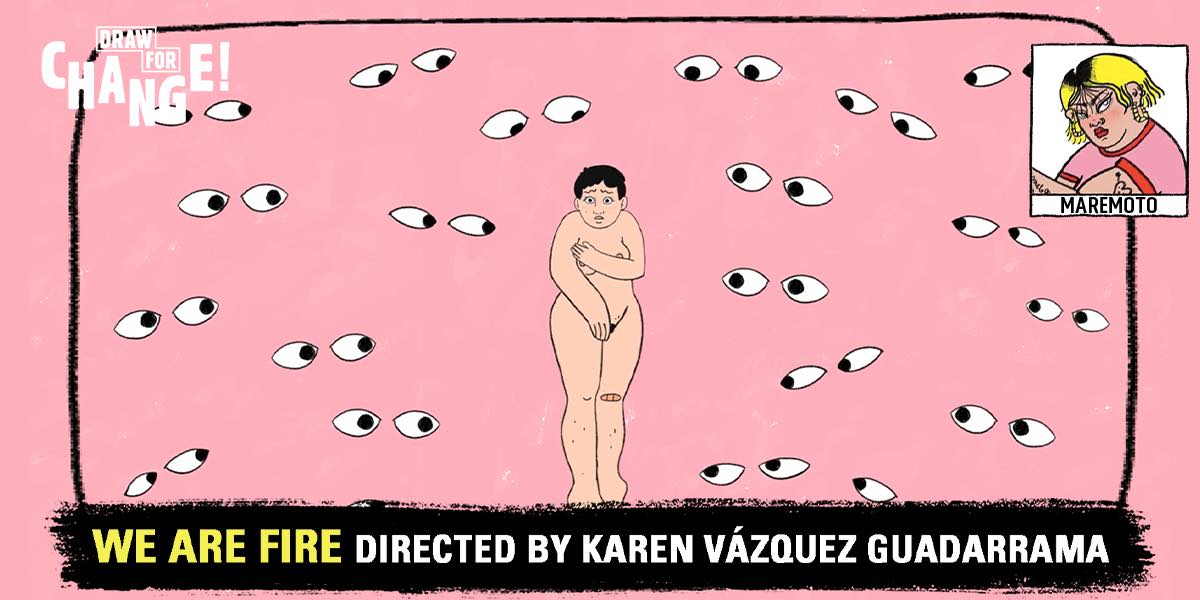
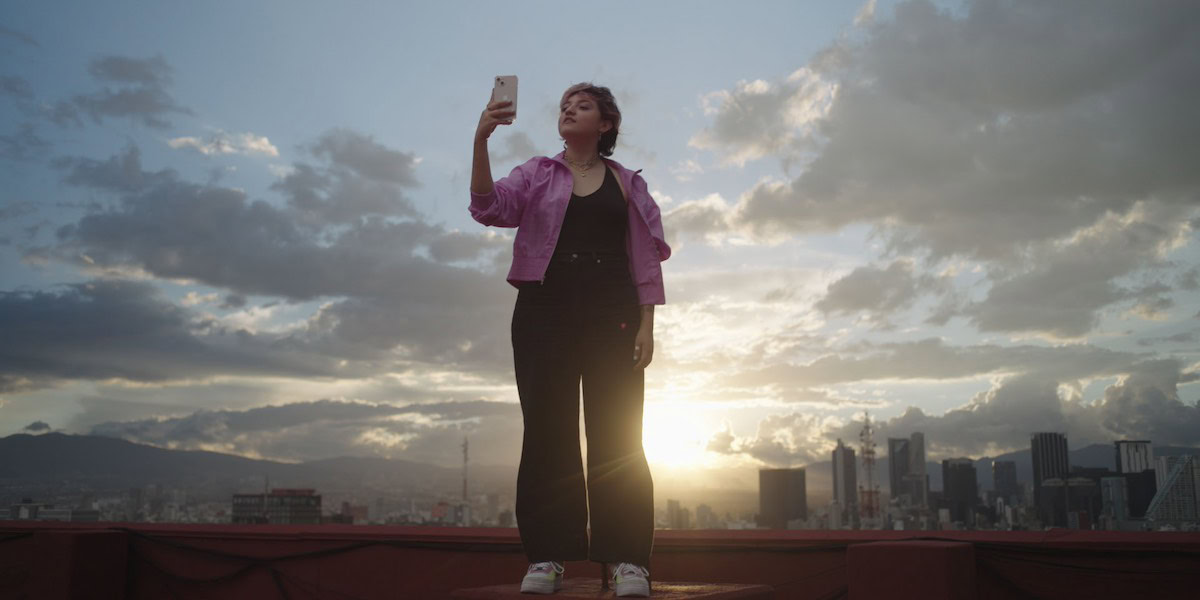
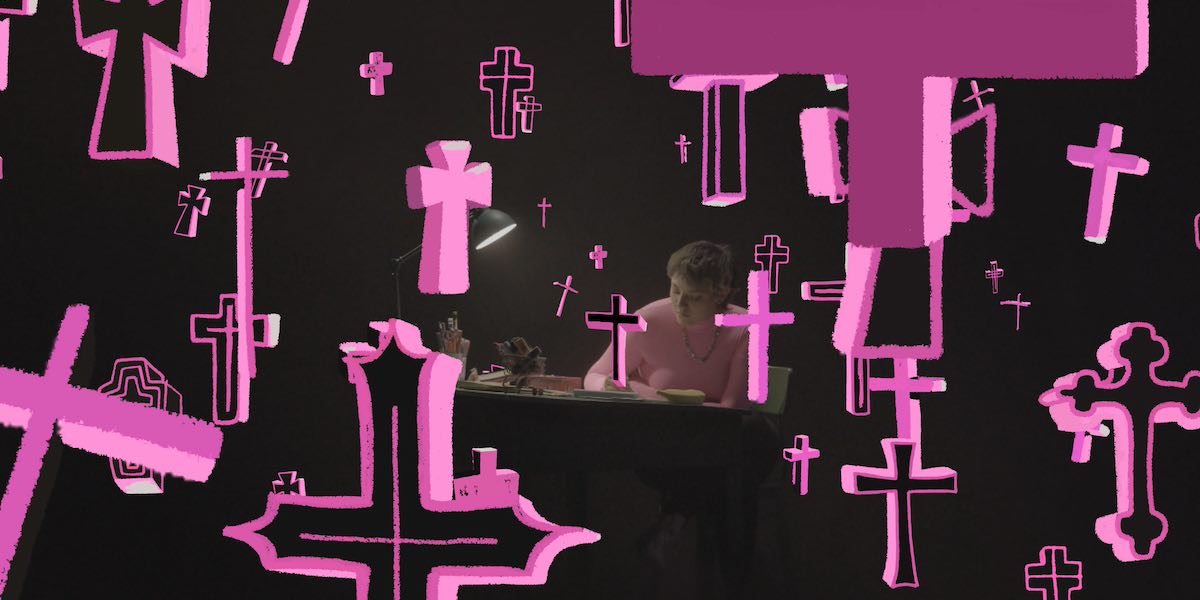
Mar Maremoto, a vibrant force of queer punk energy, fearlessly tackles machismo, fat-shaming, and societal norms through her dynamic artwork from cartoons to murals, to create a space for hope and solidarity.
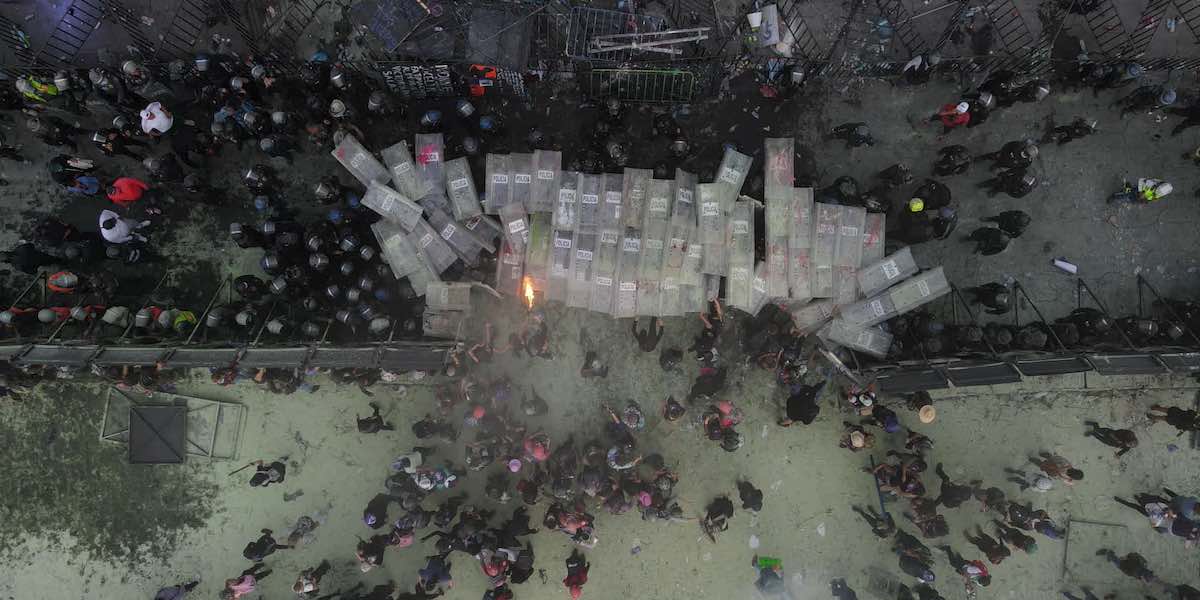
But how can this translate into making the streets of Mexico safer? On a quest to challenge the macho norms in her country, Maremoto talks to women affected by violence who are trying to change society through self-defense and political demonstrations: “They wanted to bury us, but they did not know we were seeds.”
The film is an ode to the young artist’s rebellion against the increasingly dangerous reality for women in Mexico, where 10 femicides a day make it one of the most dangerous places in the world for women.
Related Subjects
About the Director
Karen Vázquez Guadarrama was born in Mexico City and studied film at the Royal Academy of Fine Arts in Ghent, Belgium. Her films are a search for a rudimentary form of story in which she explores small events in daily life with a great deal of attention to emotions and small details. Her short film Mont d’Or, her short documentary Flor de mil colores, and her feature film When The Bull Cried were selected at various important international film festivals. Karen won the prestigious Camerimage 2018 for her work as a DOP. Within the Draw for Change series, she directed the film We Are Fire about Mexican cartoonist Maremoto and also did the camera work for the Egyptian episode about Doaa El-Adl.
Press
“At times, you might wonder if you're overstating things, but as a woman in Mexico, you're always watchful and scared. That's the simple truth.” – Maremoto
“Our happiness, and our joy, are also revolutionary.” – Maremoto
Notes on the Film
“Growing up in Mexico is growing up with violence, it is inescapable. In a macho society, for a woman or girl, violence is omnipresent. Not only in the public spaces but also in the private space, among all generations: grandmothers, mothers, aunts and nieces, daughters.
As a child, my grandmother advised me to accept this violence should my future husband ever beat me. This would mean that my husband loved me.
Machismo is internalized in the Mexican culture, often it starts with psychological violence, escalates to physical abuse, and in the worst cases ends in femicide.
After an exchange year in France when I was 18, I ended up in Belgium, where I have now lived for 15 years. This gave me the chance to see Mexican norms through a different lens and question the normalization of violence in my native country. My interest in the deep-rooted machismo of the Mexican culture thus grew even more.
Unfortunately, that interest also finds its roots in experiences of police violence within my own family. When my mom and aunt were teenagers, they were raped by police officers. If you fear even the men whose job it is to protect you, what should you do as a woman in a country where the law protects murderers and rapists?
Now, women in Mexico are uniting to listen, support, and protect each other. That is why it is important to make this film so that men and women can address these problems, not only in Mexico, and work together for a change. This is why I feel very connected to Mariana’s (Maremoto) fight. She wants to use her art to show women that we are strong and therefore should not always end up in the role of the victim.
I admire Maremoto’s artivism, how she combines her drawings and poetry to talk about hard subjects. She is a storyteller. Her energy and power are translated in the episode that contrasts the roughness and hardness of the situation of women in Mexico. Maremoto gives us hope, such a young artist is reaching thousands of young women with her drawings in Mexico and Latin America asking for change.”
– Karen Vázquez Guadarrama, Director