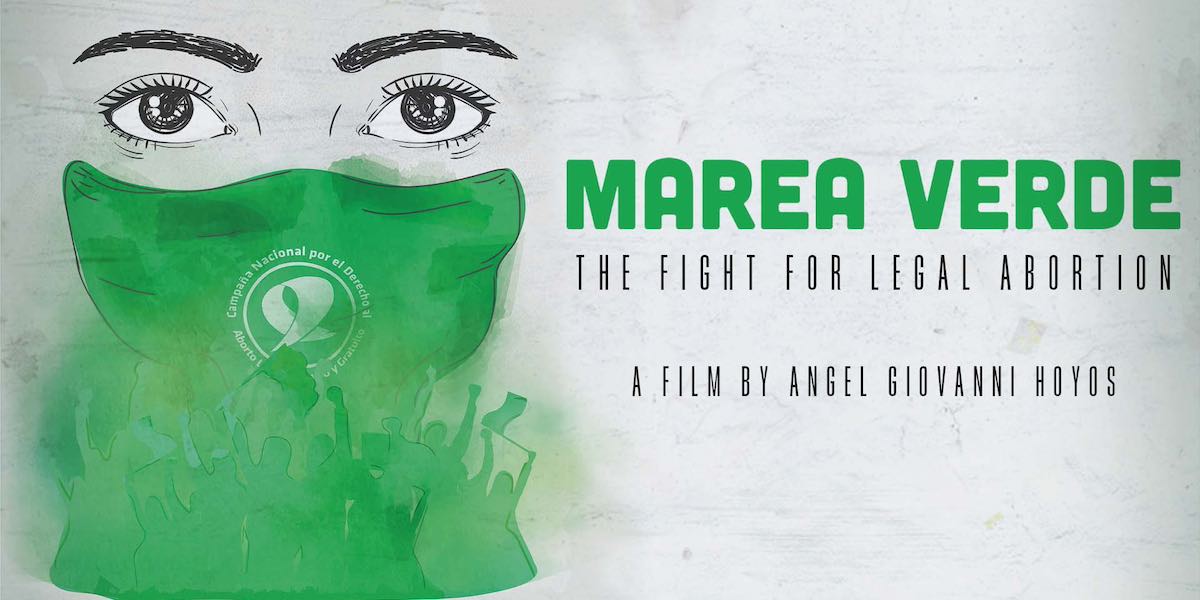
Marea Verde: The Road to the Law
(Marea verde: La lucha por el aborto legal)
Ángel Giovanni Hoyos / Argentina / 2022 / 74 min

Warsaw Film Festival
Docs Mx
Chicago Latino Film Festival
San Diego Latino Film Festival
Seattle Latino Film Festival
Int'l Environmental and Human Rights Film Festival
Ibero-American Film Festival of Trieste
Uruguay Int'l Film Festival
Pricing
Related Films
 Vicenta(Vicenta)Dario DoriaA film as necessary as it is beautiful, Vicenta explores the struggle for the right to a legal, safe, and free abortion. Through small clay figurines and ...
 7 Weeks(7 Semanas)Constanza FigariCamila is a young dance student. She has a committed boyfriend and supportive family, but when she discovers she is pregnant, all that love and ...
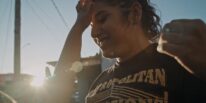 LuchadorasPaola Calvo, Patrick JasimLuchadoras provides an intimate glimpse into the lives of three resilient female wrestlers in Ciudad Juárez, Mexico, who courageously challenge ...
 Seeds: Black Women in Power(Sementes, Mulheres Pretas no Poder)Éthel Oliveira and Júlia MarianoThe 2018 elections turned into the biggest political upheaval led by Black women that Brazil has ever seen, in response to the brutal execution of Rio de ...
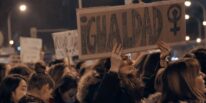 ROLE & ROLE(ROL & ROL)Chus GutiérrezRole & Role offers a thought-provoking exploration of the influence of media, advertising, and fiction on the creation of female role models and ...
Synopsis
Spanish with English subtitles
Across South America, there are cries for legal, safe, and free abortion.
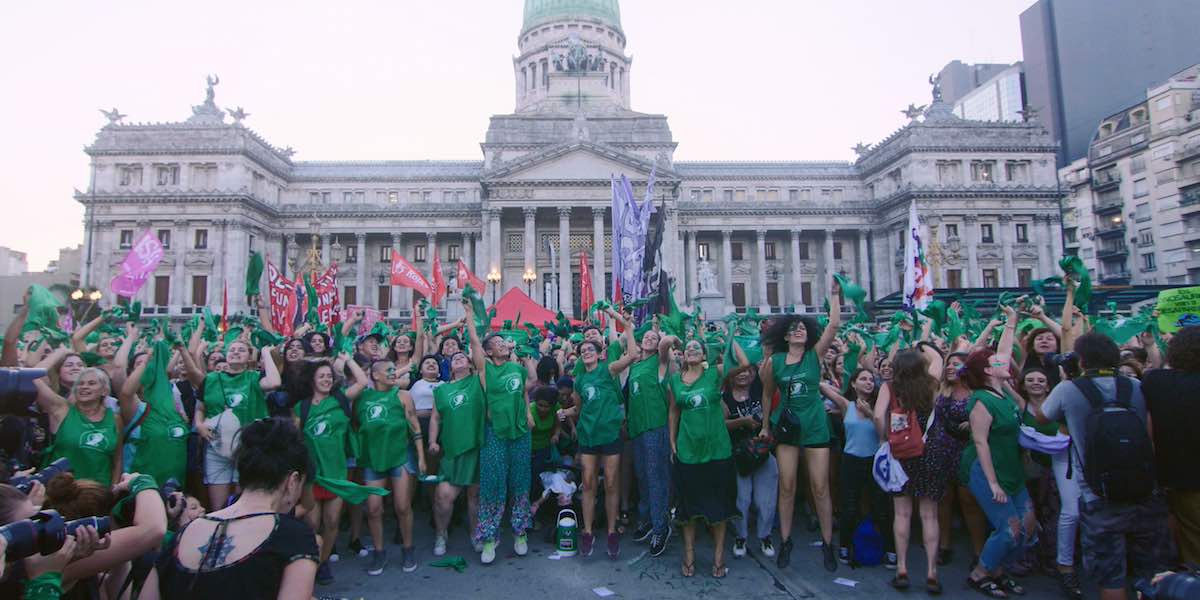
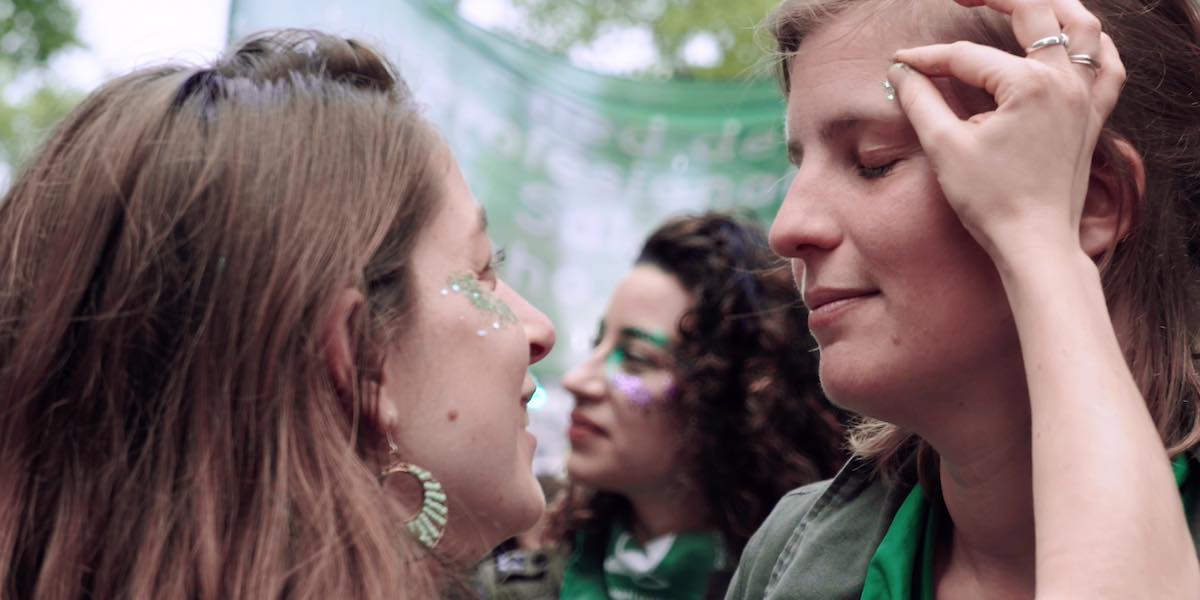
Marea Verde follows mothers, grandmothers, sisters, friends, workers, lesbians, transvestites, transsexuals, and gestating bodies, all united in the fight for legal, safe, and free abortion in Argentina. Together, they march hand in hand in front of Congress, demanding the approval of the Voluntary Interruption of Pregnancy bill.
The documentary traces the use of misoprostol and the history of abortion in Argentina, highlighting a two-decade feminist struggle against a state that has long ignored this deadly social issue. Through powerful testimonies from activists in Argentina, Bolivia, Ecuador, and Colombia, the film reveals the current landscape of abortion rights across the region.
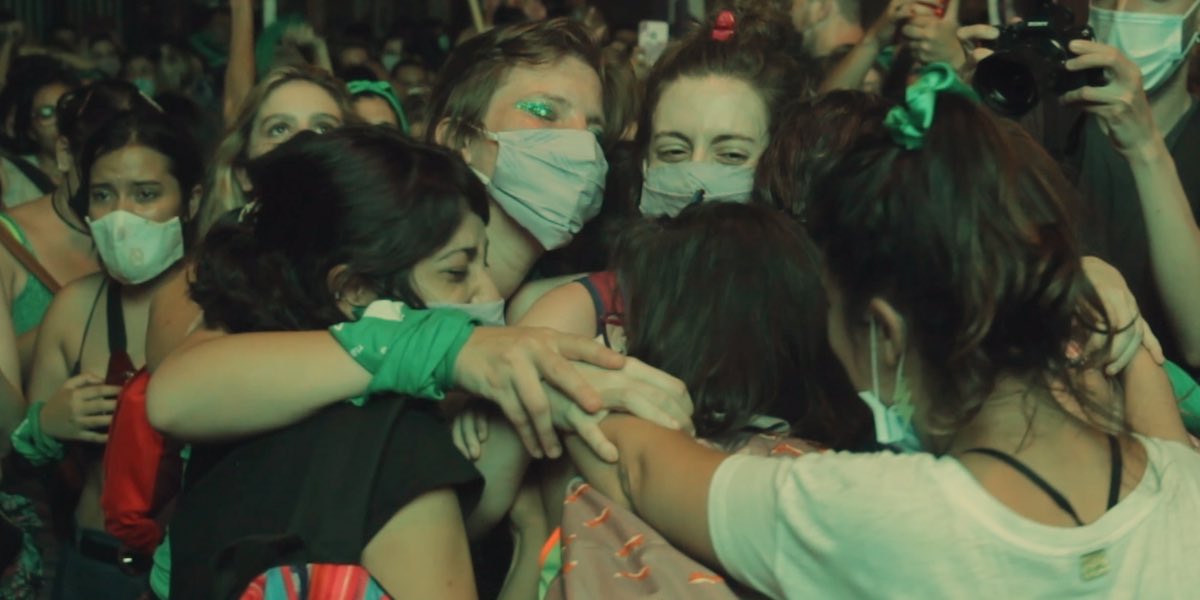
Marea Verde amplifies diverse voices and their activism, presenting first-person accounts, marches, news, vigils, and political discussions, all advocating for safe abortion access for everyone with the capacity to gestate. It questions who holds the power over the decisions of pregnant bodies—examining medical perspectives, the role of pharmaceuticals, government policies, and the plight of the disadvantaged—while exposing systemic hypocrisy.
Related Subjects
About the Director
He has been an editor of animated series and documentaries, a visual artist of fiction feature films, a cameraman, and an activist for human rights as a militant of the Articiclo collective.
After 10 years of working with several Argentinean advertising and film production companies, Hoyos released his first feature documentary Marea Verde, which had its world premiere in the Official Competition of the Warsaw Film Festival.
Press
“Marea Verde follows the work and activism of a diversity of voices, who work and articulate so that pregnant bodies can access safe abortion, encompassing first-person narratives, marches, news, vigils, and political discussions.” – Inés Hayes, Pagina 12
“Hoyos' camera moves around the surroundings of Congress as thousands of demonstrators, gathered by the momentum of the National Campaign for the Right to Legal, Safe, and Free Abortion, crowd together to await the vote, first in the Chamber of Deputies and then in the Senate.” – Diario Clarin
“A visual and testimonial record of how women achieved the approval of Law 27.610 in 2020, better known as the law for legal, safe, and free abortion, but specifically, it shows the prior steps that had to be taken for the Marea Verde to form among women.” – Prensa Obrera
Notes on the Film
“Why did I do Marea Verde? The answer is my mother. In one of those talks that single mothers have with their sons, where they play the double role of father and mother at the same time, between tears and shame, she told me about her abortion, a revelation that at only 16 years old I did not understand and did not want to listen to in-depth. I was not very clear about what this confession from mother to son meant. That for sure was the trigger to want to know more.”
– Ángel Giovanni Hoyos, Director