Tropical Utopia
(Utopia Tropical)
João Amorim / Brazil / 2023 / 78 min


Portugal Indie Film Festival
Best DocumentaryFIFDH Int'l Film Festival and Forum on Human Rights in Geneva
São Paulo International Film Festival
Rio International Film Festival
La Habana International Film Festival
Madrid Indie Film Festival
Europe Independent Movie Festival
Seattle Film Festival
Pricing
Related Films
 BRAZIL: A TIME TO BUILD(BRASIL, PAÍS DO PRESENTE?)Gustavo WestmannHow is the new generation of Brazilians feeling about the conflicting situation of the country? Diplomat, writer, and filmmaker Gustavo Westmann brings ...
 Eternal Amazon(Amazônia Eterna)Belisario FrancaThe Amazon is a vast laboratory for sustainable experiments that are revealing new relationships among human beings, corporations, and the natural ...
 Delicate Balance(Frágil equilibrio)Guillermo García LópezCentered around an extensive interview with Jose “Pepe” Mujica, the former President of Uruguay who gained notoriety on the world stage as a rare ...
 Kunha Karai and The Earth Narratives(Kunhã Karaí e as narrativas da Terra)Paola MallmannA powerful documentary, Kunha Karai and The Earth Narratives weaves together the personal narratives and collective struggles of Brazilian Indigenous ...
 After Spring(Depois da primavera)Pedro Rossi, Isabel JoffilySyrian brothers Adel and Hadi Bakkour take to the streets of Rio de Janeiro to fight for democracy in the country where they found refuge. History ...
Synopsis
English and Portuguese with English subtitles
With Noam Chomsky, Celso Amorim
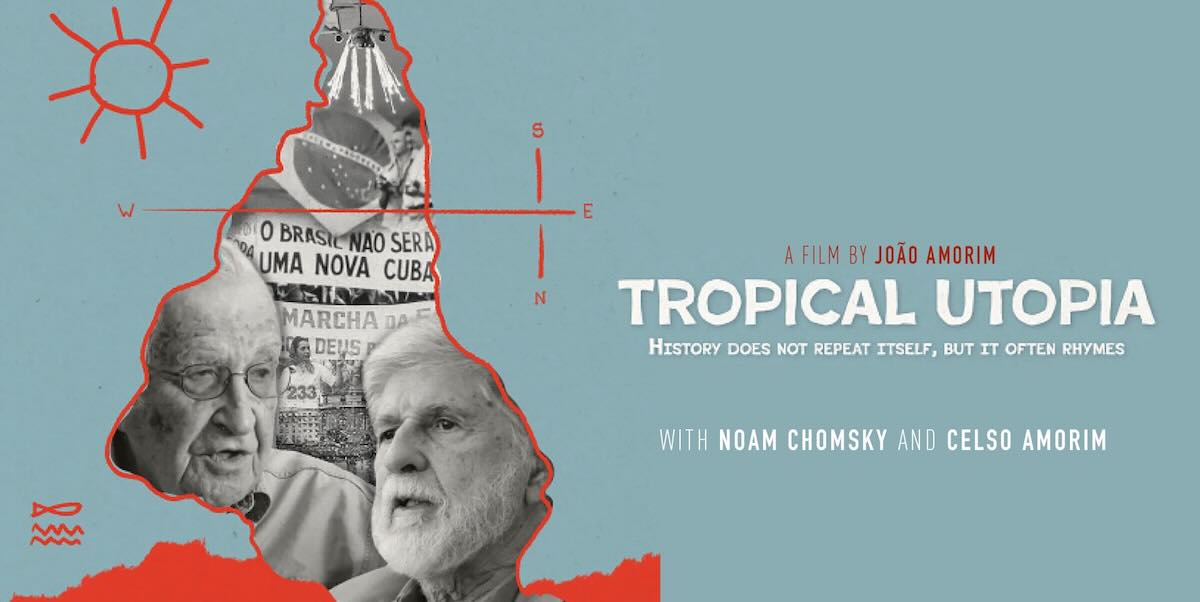
Directed by João Amorim, Tropical Utopia is a thought-provoking documentary that examines the political and cultural forces that have shaped Latin America over the past century.
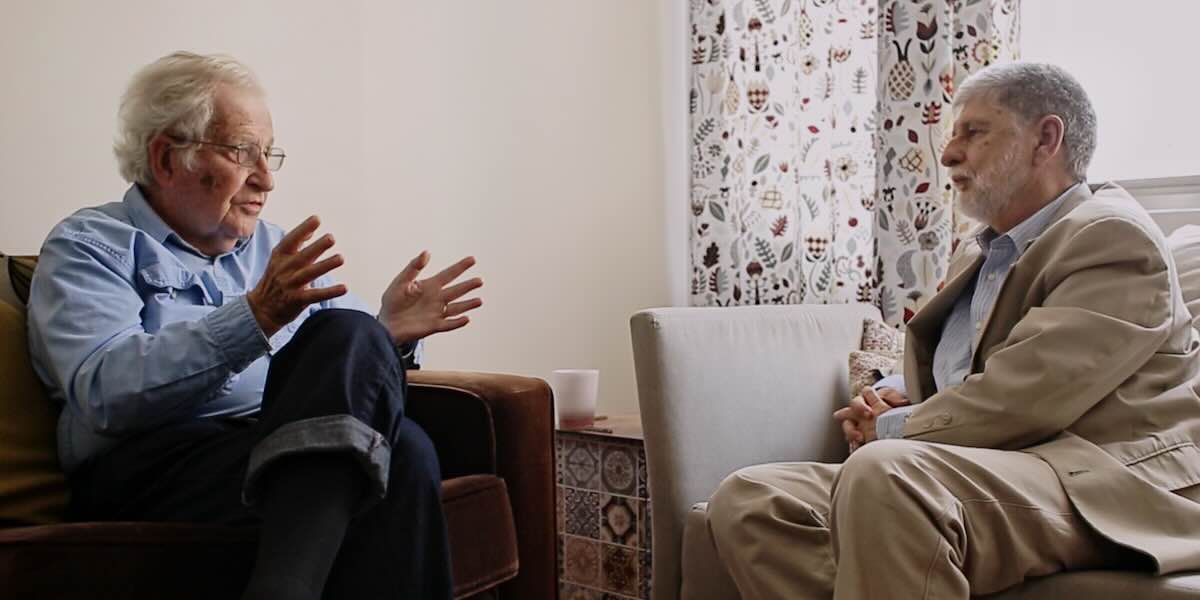
Featuring in-depth commentary from renowned American linguist and political analyst Noam Chomsky and esteemed Brazilian diplomat Celso Amorim, the film challenges simplistic narratives and reframes the region’s complex history.
Through sharp analysis and historical reflection, Tropical Utopia explores Latin America’s civilizational proposals, struggles for sovereignty, and ongoing fight for justice and plurality. This documentary is an essential educational resource for understanding the continent’s past and envisioning a more equitable future.
Related Subjects
About the Director
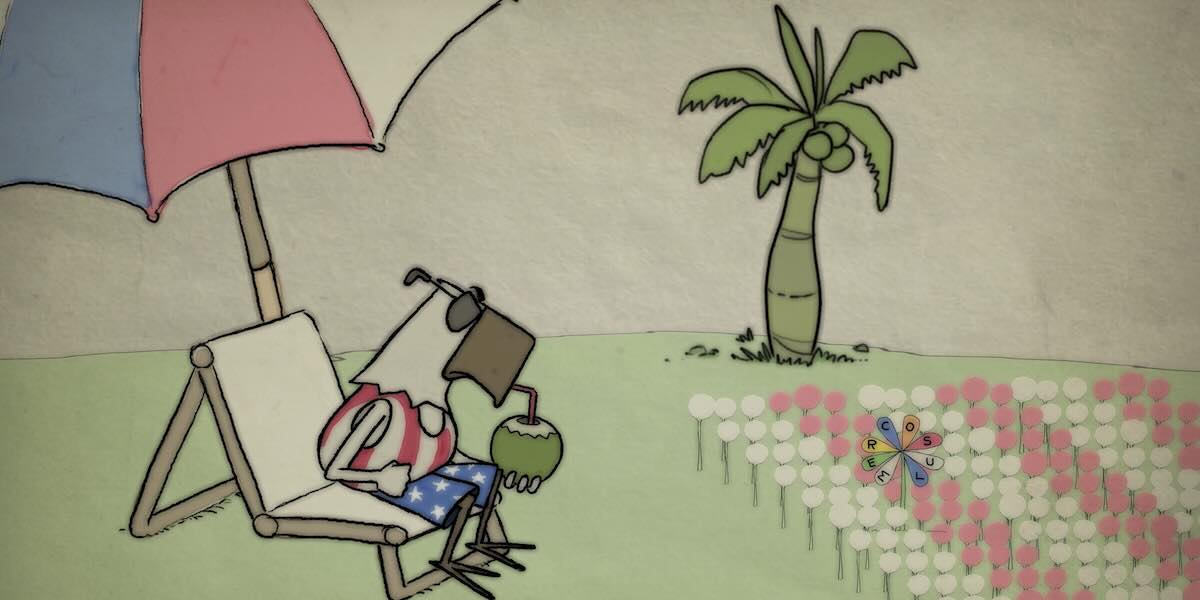
João Amorim is a Brazilian Emmy-nominated director, writer, and producer specializing in animation and documentary films. He is known for blending animation with documentary storytelling, often addressing social and environmental themes. His notable works include: Served as Head of Animation (2007), nominated for an Emmy in 2009 and won the Cinema Eye Award for Best Animation; Time for Change (2010), his first animated feature documentary featuring figures like David Lynch, Sting, and Gilberto Gil, and cited by Reuters as one of the ten films behind the Occupy Wall Street movement; In the Flow with Waters (2011) a 32-minute documentary about the Council of the 13 Indigenous Grandmothers; Utopia Tropical (2023), a documentary exploring Latin American political, social, and economic issues, featuring intellectuals such as Noam Chomsky and Celso Amorim; incorporates animation to illustrate geopolitical themes.
Beyond filmmaking, Amorim has worked extensively in animation for TV, games, and commercials, including titles such as Beatles Rock Band and Guitar Hero. He is also active in environmental education and permaculture projects in Brazil, integrating his activism with his cinematic work.
Notes on the Film
“Tropical Utopia is a documentary that invites reflection on the political, social, and economic issues that have shaped Latin America. Often portrayed as somewhat unruly occupants of the North American backyard, the peoples of Latin America, particularly Brazil, have their civilization’s proposal and struggle for independence story told by American linguist and political analyst Noam Chomsky and Brazilian diplomat Celso Amorim. As both characters and observers of nearly a century of history, Chomsky and Amorim shed light on key events of this journey and seek the glimpses that point towards a fairer and more plural Latin America.
“History does not repeat itself, but it often rhymes.” Mark Twain.”
— João Amorim, Director